Building a balanced plate
A general overview of the balanced-plate idea using USDA MyPlate proportions: produce, grains, and protein foods, plus dairy and water.
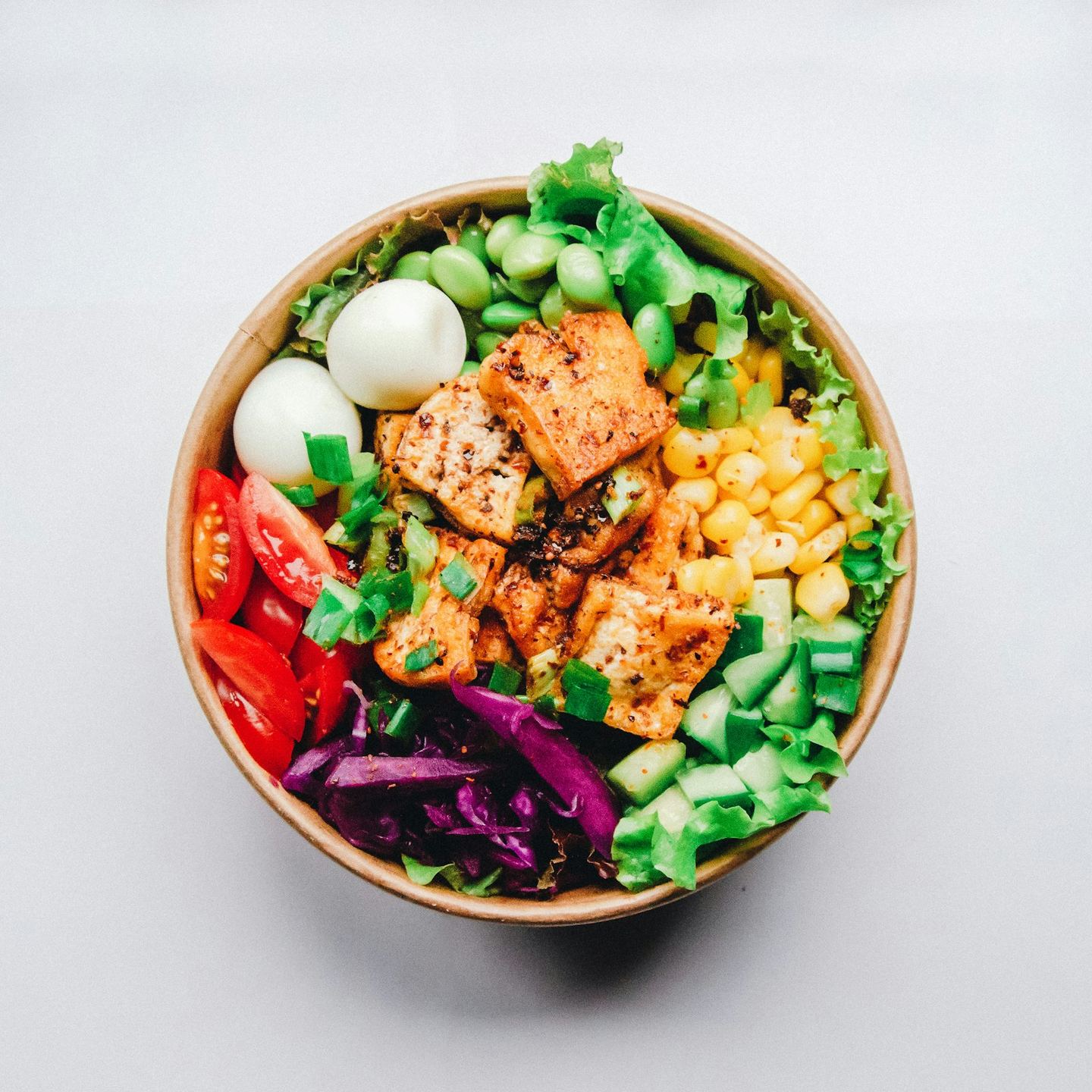
One of the simplest ways to picture a meal is as a plate divided into rough proportions. This article is a general overview of the balanced-plate idea, drawing on the USDA's MyPlate framework. It describes a general pattern, not a prescription — it doesn't set amounts for any individual or replace personalized advice.
Key points
- A common visual splits the plate into produce, grains, and protein foods, with dairy or a beverage alongside.
- About half the plate is fruits and vegetables in this pattern.
- Grains and protein foods take up the other half, with whole grains encouraged.
- It's a flexible starting picture, not a strict rule for any single meal.
The plate, in proportions
The MyPlate framework pictures a place setting split into four areas, plus a side. It's meant as a general guide rather than a measurement for every meal.
| Section | Rough share | Examples |
|---|---|---|
| Vegetables | About a quarter to a half | Leafy greens, peppers, carrots, broccoli, tomatoes |
| Fruits | Part of the produce half | Berries, apples, oranges, melon, banana |
| Grains | About a quarter | Brown rice, oats, whole-grain bread or pasta |
| Protein foods | About a quarter | Beans, lentils, eggs, fish, poultry, tofu |
A serving of dairy or a fortified alternative, and water as the default drink, round out the picture.
Why proportions instead of rules
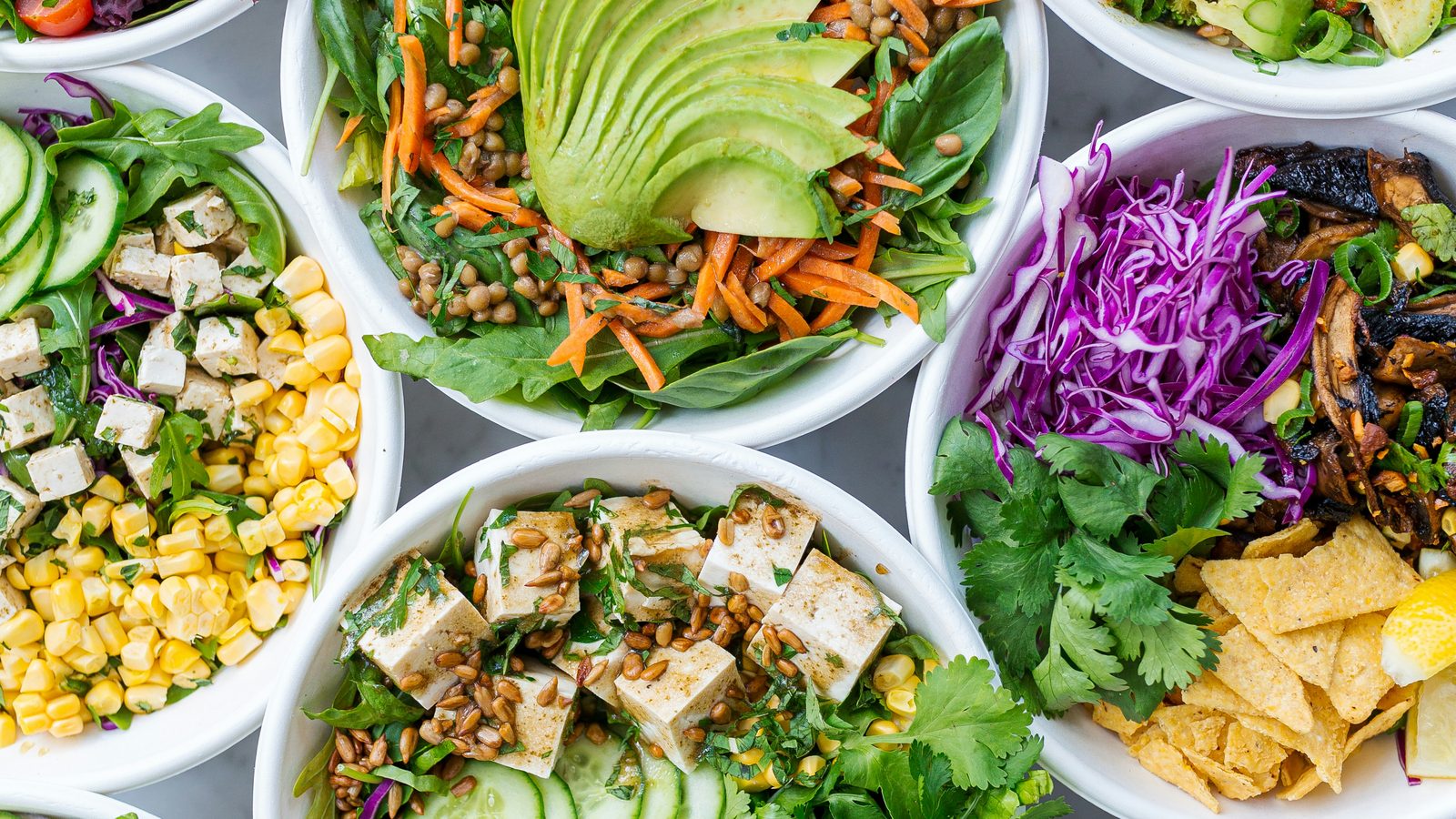
Thinking in proportions is meant to be flexible: it adapts to different cuisines, budgets, and preferences without counting anything. A grain bowl, a taco plate, and a stir-fry can all fit the same rough pattern. The point isn't precision — it's a quick mental check that produce, grains, and protein are all represented.
Whole grains and variety
Within the grains section, whole grains — like brown rice, oats, and whole-wheat products — are encouraged over refined grains in general guidance. Across the week, variety in vegetables, fruits, and protein foods is a recurring theme, since different foods contribute different nutrients.
A starting picture, not a plan
The balanced plate is a general framework, useful as a starting point.
References (3)
- MyPlate — U.S. Department of Agriculture
- Dietary Guidelines for Americans, 2020–2025 — U.S. Departments of Agriculture & Health and Human Services
- FoodData Central — U.S. Department of Agriculture
Wellthrive
Get early access to Wellthrive
Join the waitlist for Wellthrive — a nutrition and wellness app for clearer, more practical health decisions.
Get early access to Wellthrive