Dietary fiber: types and food sources
A general overview of dietary fiber: soluble vs. insoluble types, where each is found in food, and how fiber appears on the Nutrition Facts label.
Fiber gets less attention than protein or fat, but it shows up on every Nutrition Facts label and across a wide range of foods. This article is a general overview of what dietary fiber is, the two main types, and where it's found. It doesn't prescribe an amount, a diet, or a product, and it isn't medical or nutritional advice for any individual.
Key points
- Dietary fiber is a type of carbohydrate the body doesn't fully digest.
- It's commonly grouped into two kinds — soluble and insoluble — and many foods contain both.
- Food sources are plant foods: whole grains, beans and lentils, fruits, vegetables, nuts, and seeds.
- On a label, fiber appears under "Total Carbohydrate" as "Dietary Fiber," with a % Daily Value.
The two main types
Fiber is often described in two categories, based on how it behaves in water. Most plant foods supply a mix of both rather than one alone.
| Type | How it behaves | Commonly found in |
|---|---|---|
| Soluble | Dissolves in water and forms a gel-like texture | Oats and barley, beans and lentils, apples, citrus, carrots |
| Insoluble | Doesn't dissolve; adds bulk | Whole wheat and bran, many vegetables, nuts, seeds, fruit skins |
Where fiber shows up in food
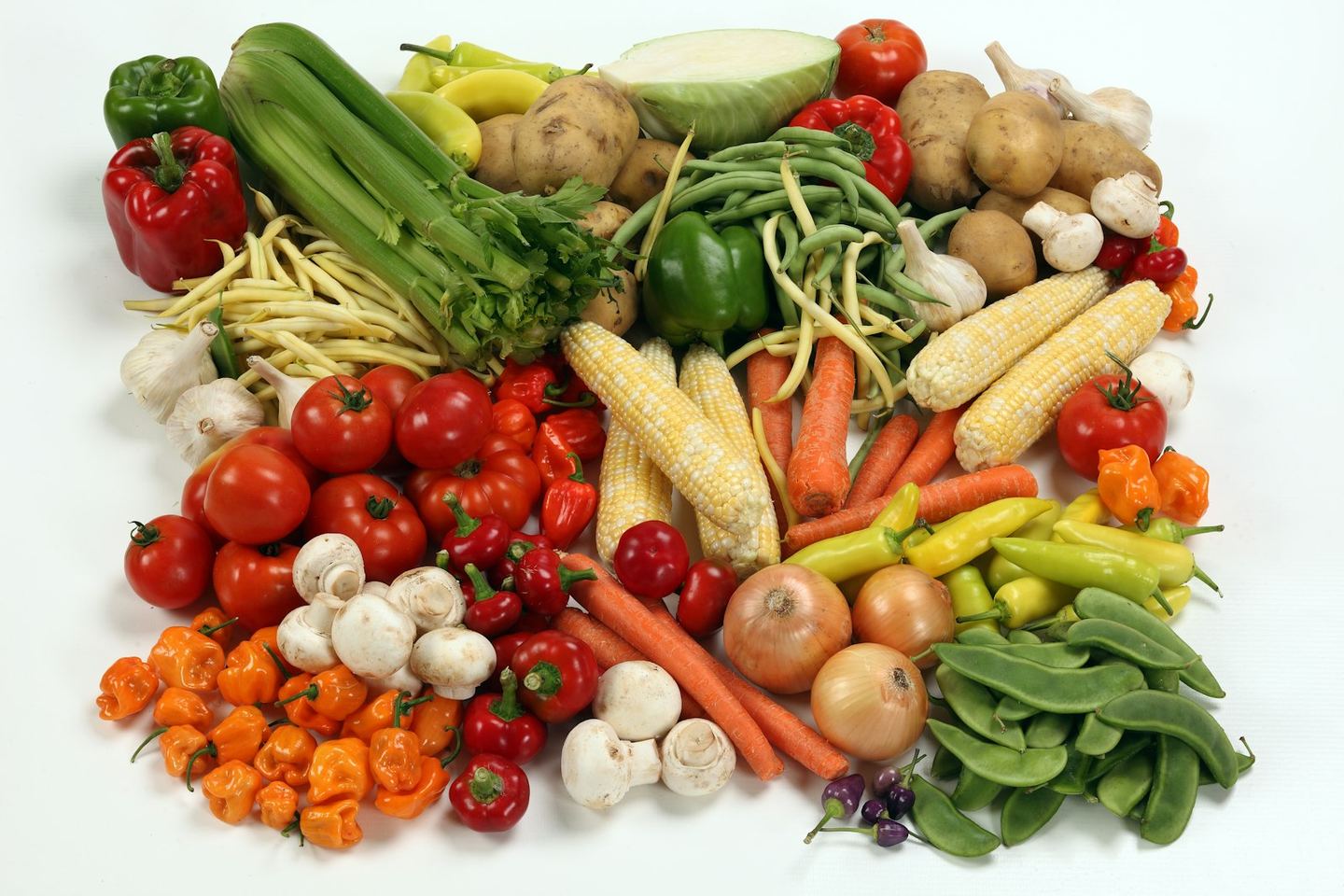
Fiber is found only in plant foods — there's none in plain meat, fish, eggs, or dairy. Common contributors include whole grains (oats, brown rice, whole-wheat bread and pasta), legumes (beans, lentils, peas), fruits and vegetables (especially with skins and seeds), and nuts and seeds. Foods that have been refined — like white bread or many snack foods — often have less fiber than their whole-grain counterparts, which is one reason the ingredient list and label are worth a look.
Fiber on the Nutrition Facts label
On a U.S. label, "Dietary Fiber" appears indented under "Total Carbohydrate," listed in grams with a % Daily Value. The % Daily Value is a quick way to see whether a serving contributes a little or a lot relative to a general 2,000-calorie reference — as a rule of thumb, 5% DV or less is low and 20% DV or more is high. Because the figures are per serving, checking the serving size first keeps the rest of the numbers in context.
What this overview can — and can't — tell you
General information like this can describe what fiber is and where it's found. It can't tell any individual how much they personally need, which varies from person to person.
References (4)
- Dietary Guidelines for Americans, 2020–2025 — U.S. Departments of Agriculture & Health and Human Services
- The New Nutrition Facts Label — U.S. Food & Drug Administration
- FoodData Central — U.S. Department of Agriculture
- Nutrition definitions (carbohydrates, protein, fats) — NIH MedlinePlus
Wellthrive
Get early access to Wellthrive
Join the waitlist for Wellthrive — a nutrition and wellness app for clearer, more practical health decisions.
Get early access to Wellthrive