Practical reads on nutrition, supplements, and health data.
Short, evidence-aware articles — written to be useful, not overwhelming.

Intermittent fasting without the hype
16:8, 5:2, OMAD and TRE explained in plain language, what trials have and have not shown, and the situations where a fasting schedule needs medical advice first.

What vegan, lacto-ovo, and pescatarian actually exclude
Vegan, lacto-ovo, pescatarian, flexitarian, halal, kosher: a clear table of what each diet label excludes, and why preferences and allergies differ.
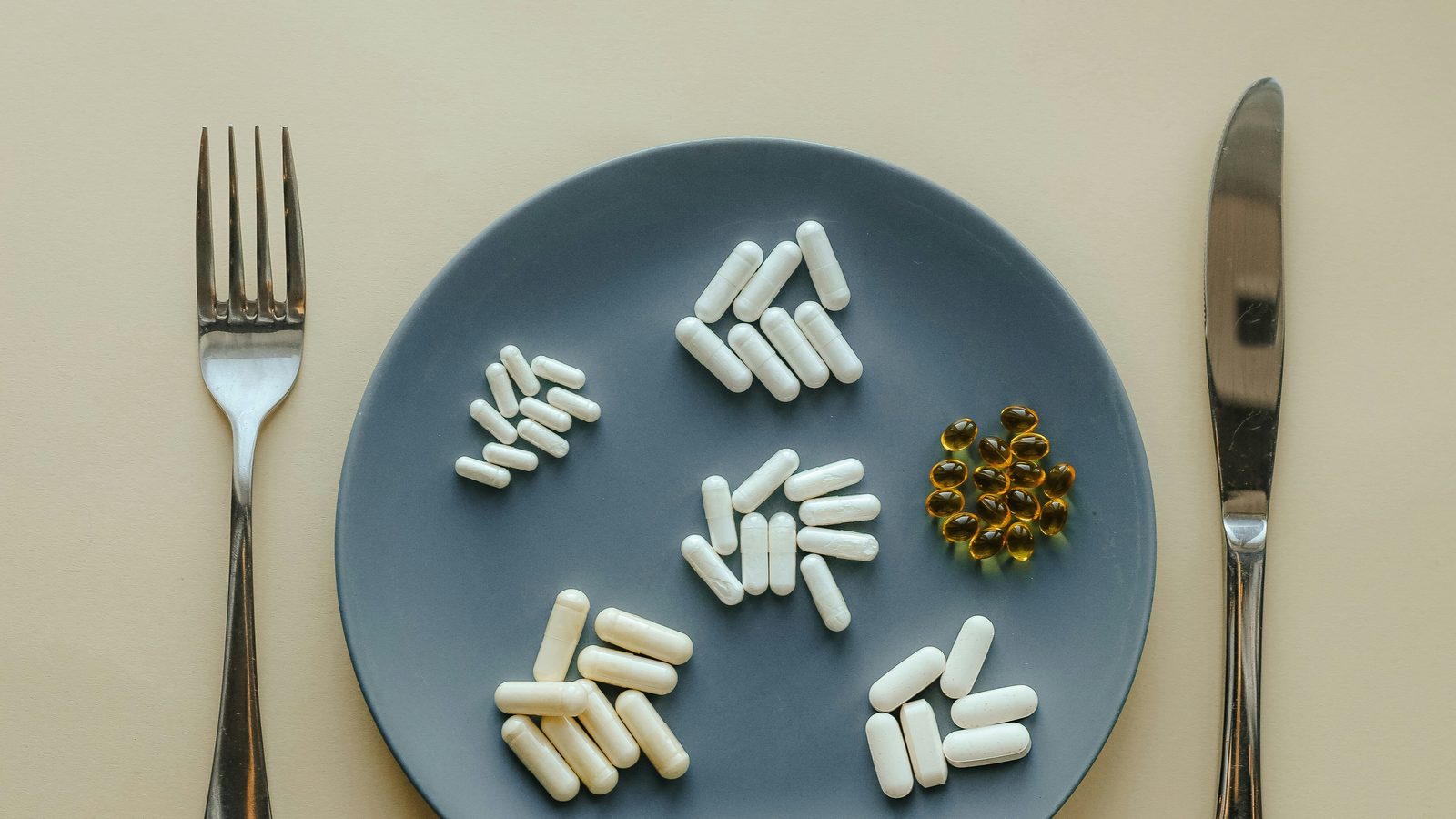
Gelatin, whey, and what “may contain” really means
Gelatin, whey, krill, lecithin, bee products: what supplement source terms mean, how contains and may-contain differ, and why silence is not a guarantee.
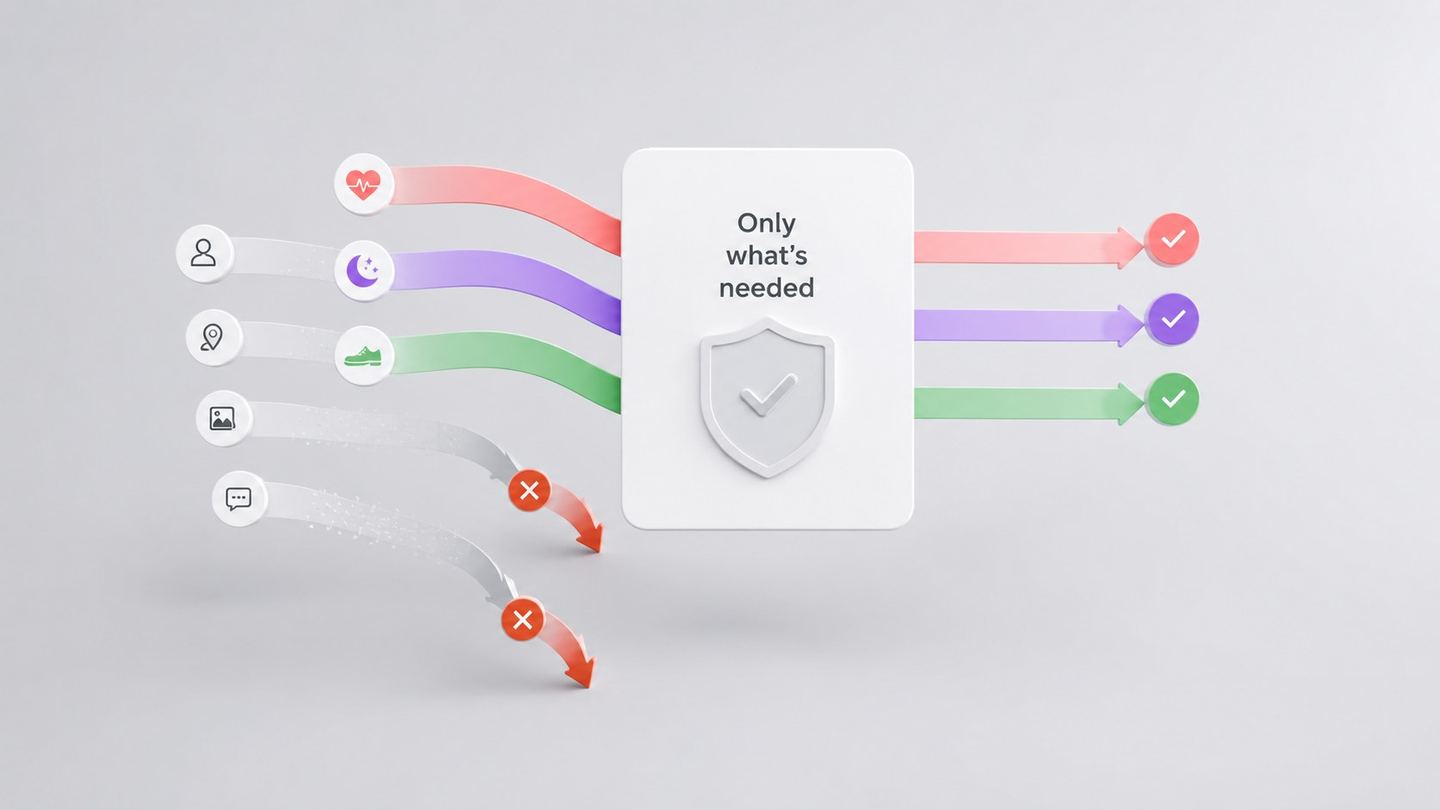
Why good health apps collect less
A look at data minimization — why collecting and keeping less personal information can protect your privacy, and what to look for in a health app.

How health app permissions actually work
How health data permissions work on iPhone (HealthKit) and Android (Health Connect) — per-type access, read vs write, and how to change your mind anytime.

Do you need a multivitamin?
A clear look at multivitamins — what the evidence says about who might consider one, common myths, and why food comes first for most people.

Electrolytes: what sodium and potassium actually do
What electrolytes like sodium and potassium do in the body, where they come from in food, and whether most people need an electrolyte drink.

DNA and wellness: what your results can — and can’t — tell you
What a consumer DNA wellness report can hint at about your nutrition and daily habits, what it can’t tell you, and how to read one without overreaching.

How sleep and nutrition affect each other
How what and when you eat can shape your sleep — and how a short night shapes the next day's appetite and choices. A two-way, low-pressure look.

Habit stacking: building routines that actually stick
How to anchor a new habit to one you already have, why stacking sometimes backfires, and a simple way to build a routine that holds without leaning on willpower.

Tracking without obsessing over the numbers
How food, activity, or sleep tracking can be a useful tool — and the signs it's tipping into something stressful. A gentle, numbers-optional look at staying in balance.

Morning routines: what’s worth doing, and what’s overhyped
Which morning habits are actually worth the effort, which are overhyped, and a simple, low-pressure way to build a routine that fits your day.

Understanding lab reference ranges
What a lab reference range is, how labs build it from the middle ~95% of healthy results, why ranges vary, and why out-of-range isn't a diagnosis.

Common blood markers, explained
A plain-language guide to common blood markers — what the CBC, metabolic panel, and lipid markers generally measure, with interpretation left to clinicians.

What a ferritin test measures
What a ferritin test measures — iron stored in the body — how it differs from a serum iron test, why its range is wide, and why clinicians read it in context.

What's in a cholesterol panel
What a cholesterol (lipid) panel measures — total cholesterol, LDL, HDL, and triglycerides — in plain language, with interpretation left to clinicians.

HbA1c vs a single glucose reading
How an HbA1c test differs from a single glucose reading — average blood sugar over ~2–3 months vs a moment in time — in plain language.

Understanding vitamin D blood levels
What a vitamin D blood test measures — 25(OH)D — why experts debate the 'optimal' level, and why your result is read in context by a clinician.

Is your health app covered by HIPAA? (Usually not.)
Many people assume a health app is protected by HIPAA. Most consumer apps are not. Here is what actually governs the data you enter — and what that means for you.

How health data gets shared and sold — and what to look for
Health data moves to third parties in ways most people never see. A plain-language guide to how sharing and selling work — and how to evaluate an app before you trust it.
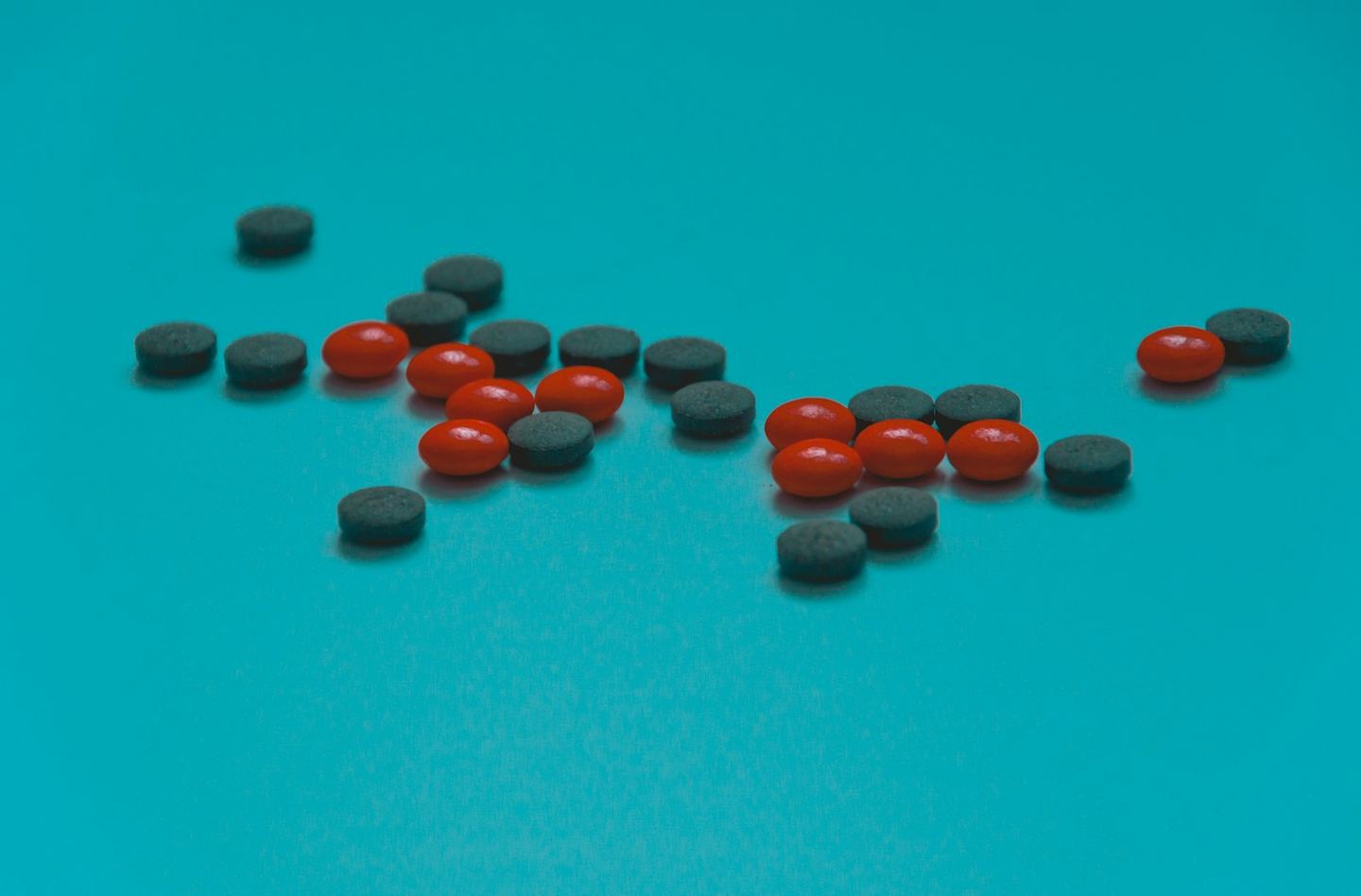
How much is too much? Upper limits and fat-soluble vitamins
More is not always better with supplements. A clear look at tolerable upper intake levels, why fat-soluble vitamins behave differently, and how doses can stack without you noticing.

Supplement safety: interactions, dosing, and the "natural" myth
Supplements aren't automatically safe. A plain-English guide to drug interactions, dosing limits, surgery precautions, and why "natural" doesn't mean risk-free.

What cosmetic label terms like "hypoallergenic" and "natural" mean
A label-literacy guide to cosmetic marketing words — hypoallergenic, natural, clean, fragrance-free, non-comedogenic — and which have no legal definition.

How to read a sunscreen's Drug Facts label
A label-literacy guide to the Drug Facts panel on US sunscreens — active ingredients, SPF, broad spectrum, water resistance, and where each term is defined.
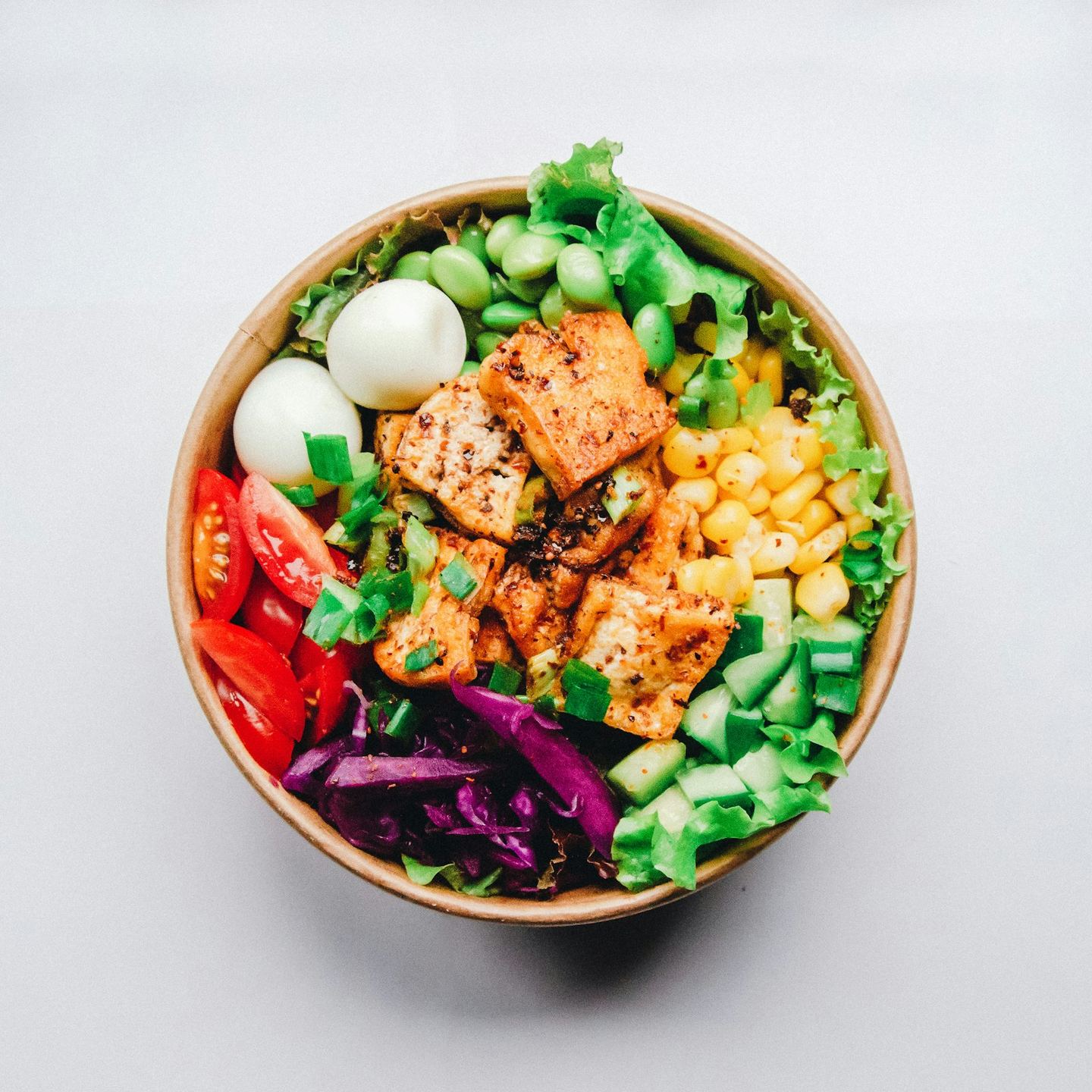
Building a balanced plate
A general overview of the balanced-plate idea using USDA MyPlate proportions: produce, grains, and protein foods, plus dairy and water.
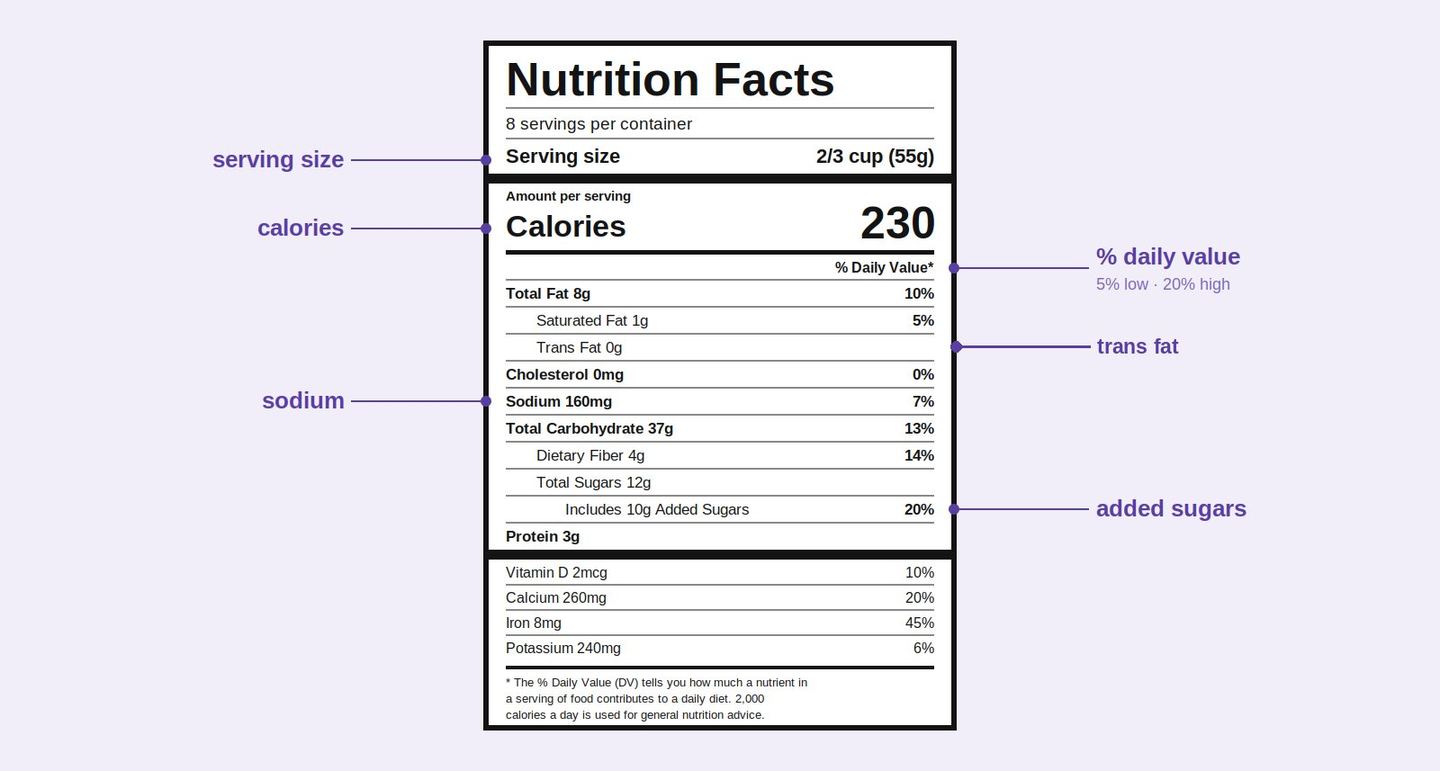
How to read a Nutrition Facts label
A general guide to reading the U.S. Nutrition Facts label — serving size, calories, % Daily Value (the 5/20 rule), added sugars, sodium, and trans fat.
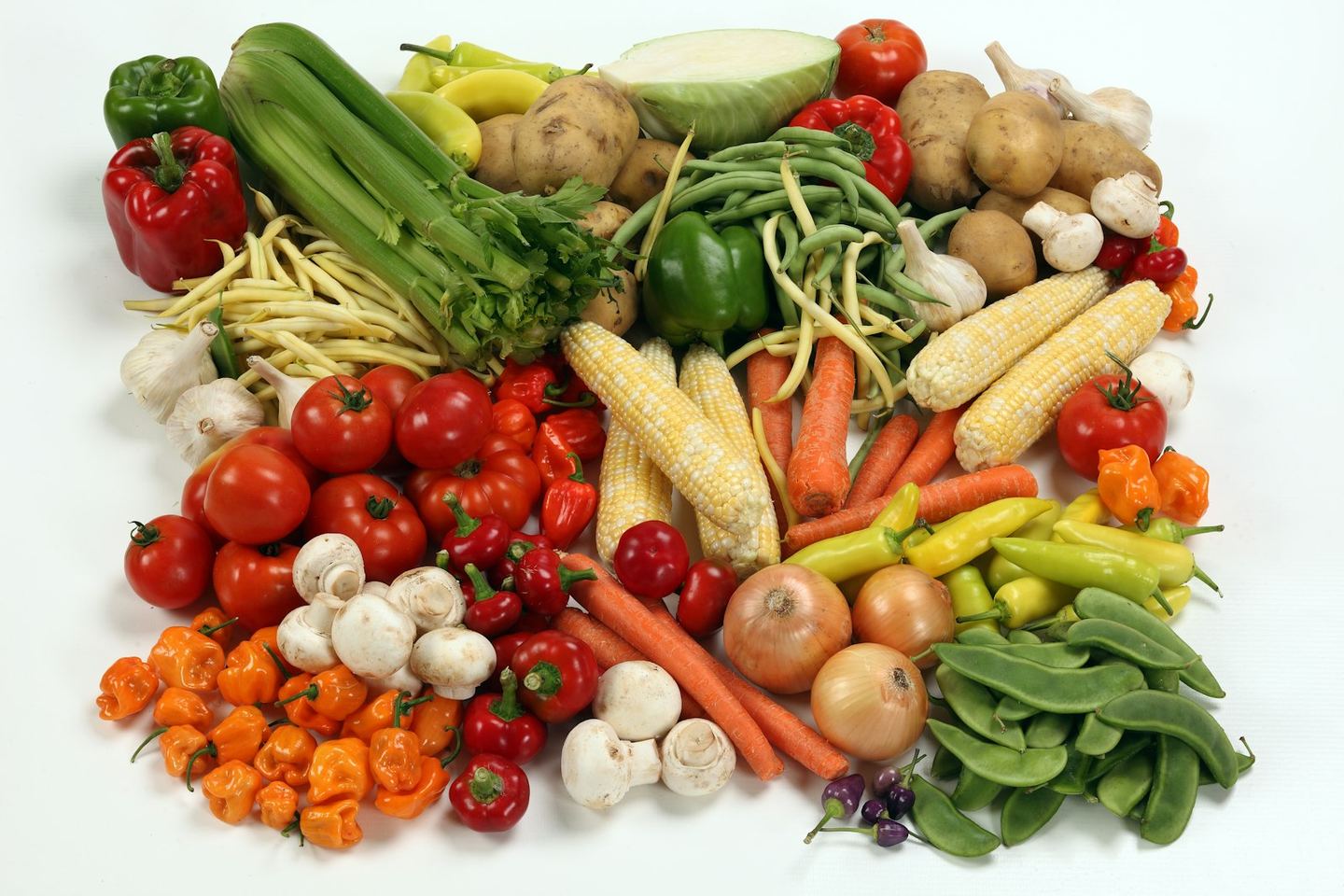
Dietary fiber: types and food sources
A general overview of dietary fiber: soluble vs. insoluble types, where each is found in food, and how fiber appears on the Nutrition Facts label.

Hydration basics: water, fluids, and everyday needs
A general overview of how the body's fluid needs work: the '8 glasses' rule of thumb, water from food, and everyday hydration cues.

Whole vs. processed foods: a practical lens
A general overview of food processing as a spectrum, a four-group framework, and why the ingredient list matters more than front-of-package claims.

Food and everyday energy
A general overview of how food relates to everyday energy — calories and macronutrients, plus non-food factors like sleep, activity, and hydration.

Is it a cosmetic or a drug? How to tell from the label
How US law sorts everyday personal-care products into cosmetics, OTC drugs, or both — and how a Drug Facts panel signals the difference.

How to read a skincare ingredient list (INCI)
A general guide to cosmetic ingredient lists: INCI names, the descending-order rule, Drug Facts panels, and what a label can and can't tell you.

Macronutrients: protein, carbohydrates, and fat
Protein, carbohydrates, and fat are the three macronutrients. A general look at what each is, where it appears in food, and how to read them on a label.

Vitamin D: forms and food sources
Vitamin D comes in two main forms and a short list of foods. A general overview of D2 vs D3, where it shows up in food, and what labels mean.

Omega-3s (EPA and DHA): food sources
Omega-3s come in several types — ALA, EPA, and DHA. A general guide to the food sources of each and how to read an omega-3 label.
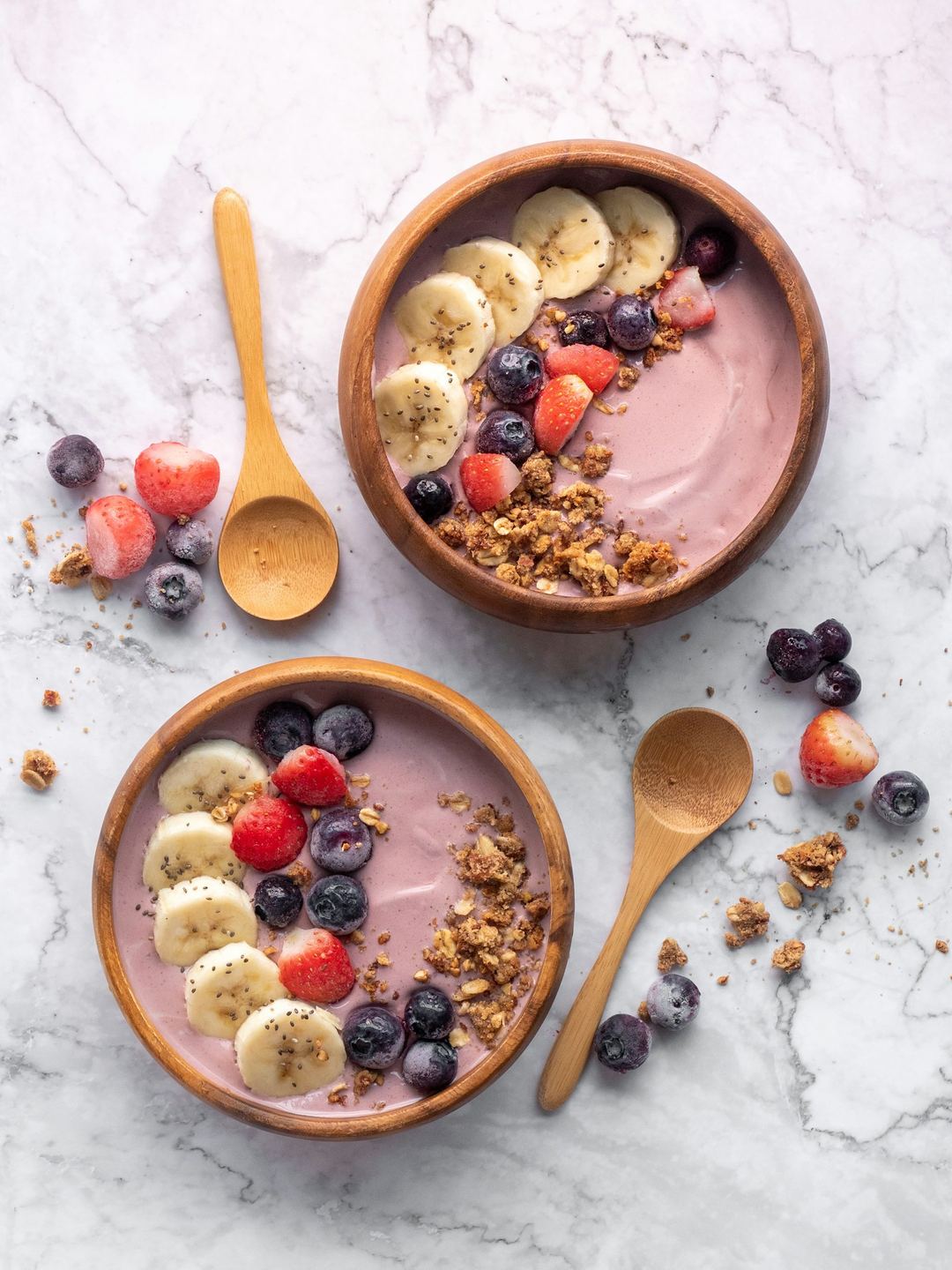
Probiotics: what the label actually means
Probiotic labels list strains, CFUs, and storage rules that most shoppers skip. A plain-English guide to reading one without the hype.

Iron: forms and absorption
Iron comes as heme and non-heme, and absorption varies a lot. A general overview of iron forms, food sources, and absorption basics.

Vitamin B12: food sources
Vitamin B12 is found almost entirely in animal foods, which makes food sources worth understanding. A general overview and label notes.

Third-party testing explained: USP, NSF, and what the seals mean
Supplements aren't pre-approved like drugs, so third-party testing marks matter. A guide to USP, NSF, and Informed Sport — and their limits.

What is a nutrient gap, and why it matters
A nutrient gap is the everyday distance between what your body needs and what your meals reliably provide. Here's why it matters.
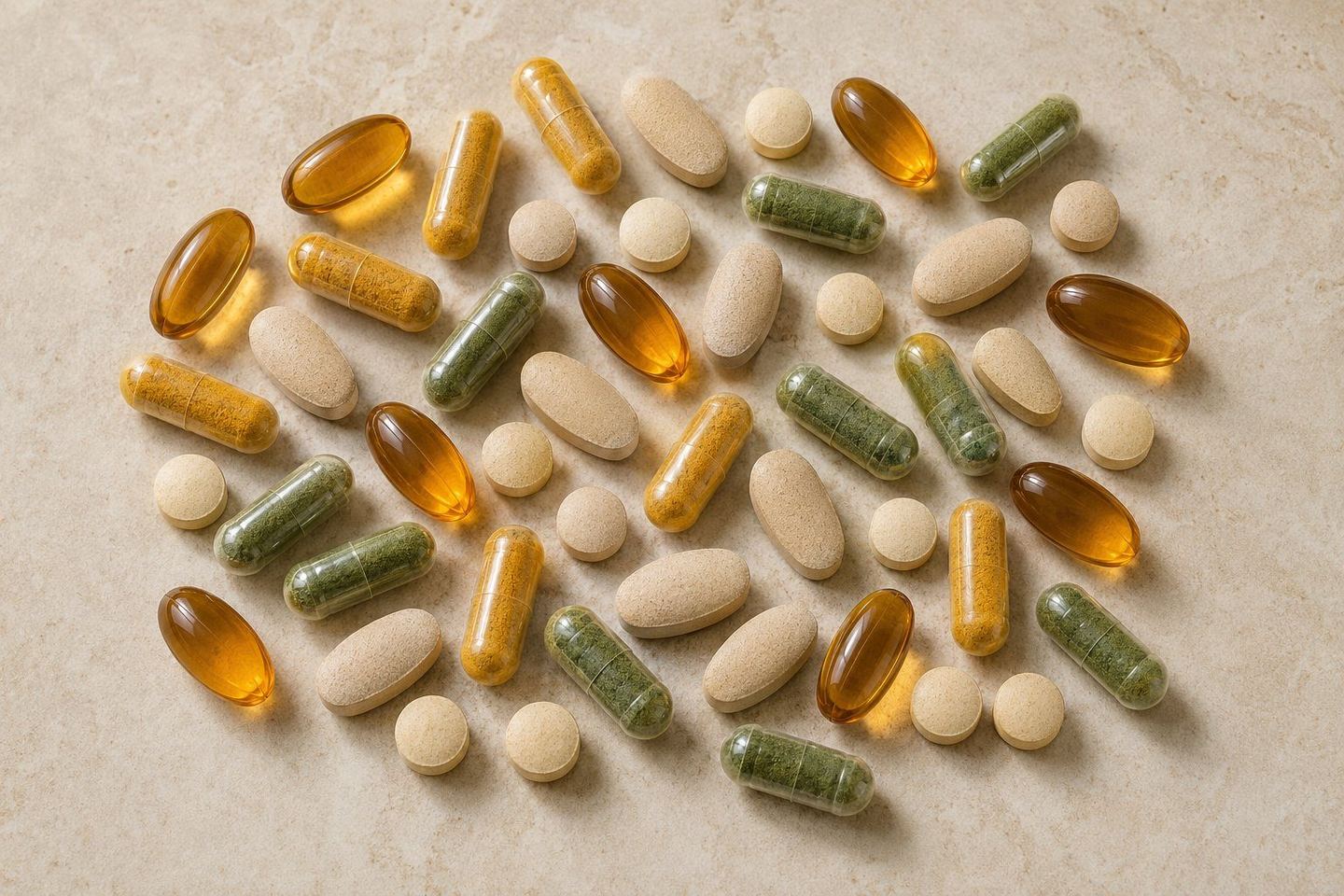
Reading a supplement label: what to look for
Serving size, ingredient form, % Daily Value, and the small print most people skip — a calm, practical guide to label literacy.

The case for food-first nutrition
Most nutrition wins come from food, not capsules. Here's what 'food-first' really means and how to apply it without overthinking.
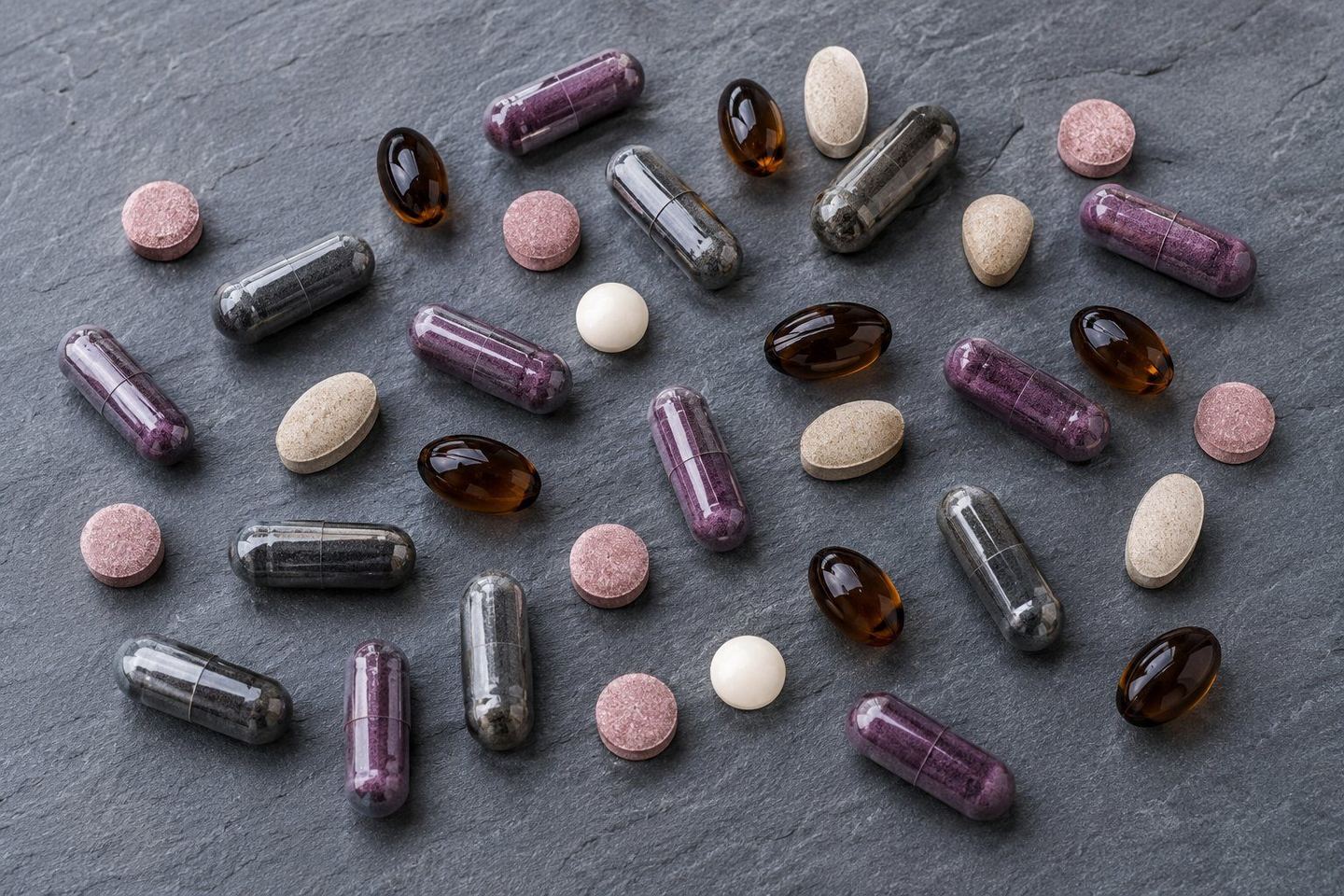
When supplements help (and when they don't)
Supplements are useful in some situations and pointless in others. A practical framework for telling the difference.

Protein needs across life stages
Protein needs shift over time — adolescence, adulthood, pregnancy, midlife, and older age each have different priorities.

Magnesium: forms, absorption, and timing
Magnesium forms vary widely in absorption and tolerability. A general overview of common forms, how they're used, and timing.

The role of consent in modern health apps
Consent in health apps is more than a checkbox. A clear-eyed look at what real consent should look like — and what to watch for.