Nutrition Foundations
Everyday principles for building a balanced, sustainable way of eating.

What vegan, lacto-ovo, and pescatarian actually exclude
Vegan, lacto-ovo, pescatarian, flexitarian, halal, kosher: a clear table of what each diet label excludes, and why preferences and allergies differ.

Electrolytes: what sodium and potassium actually do
What electrolytes like sodium and potassium do in the body, where they come from in food, and whether most people need an electrolyte drink.

Building a balanced plate
A general overview of the balanced-plate idea using USDA MyPlate proportions: produce, grains, and protein foods, plus dairy and water.
How to read a Nutrition Facts label
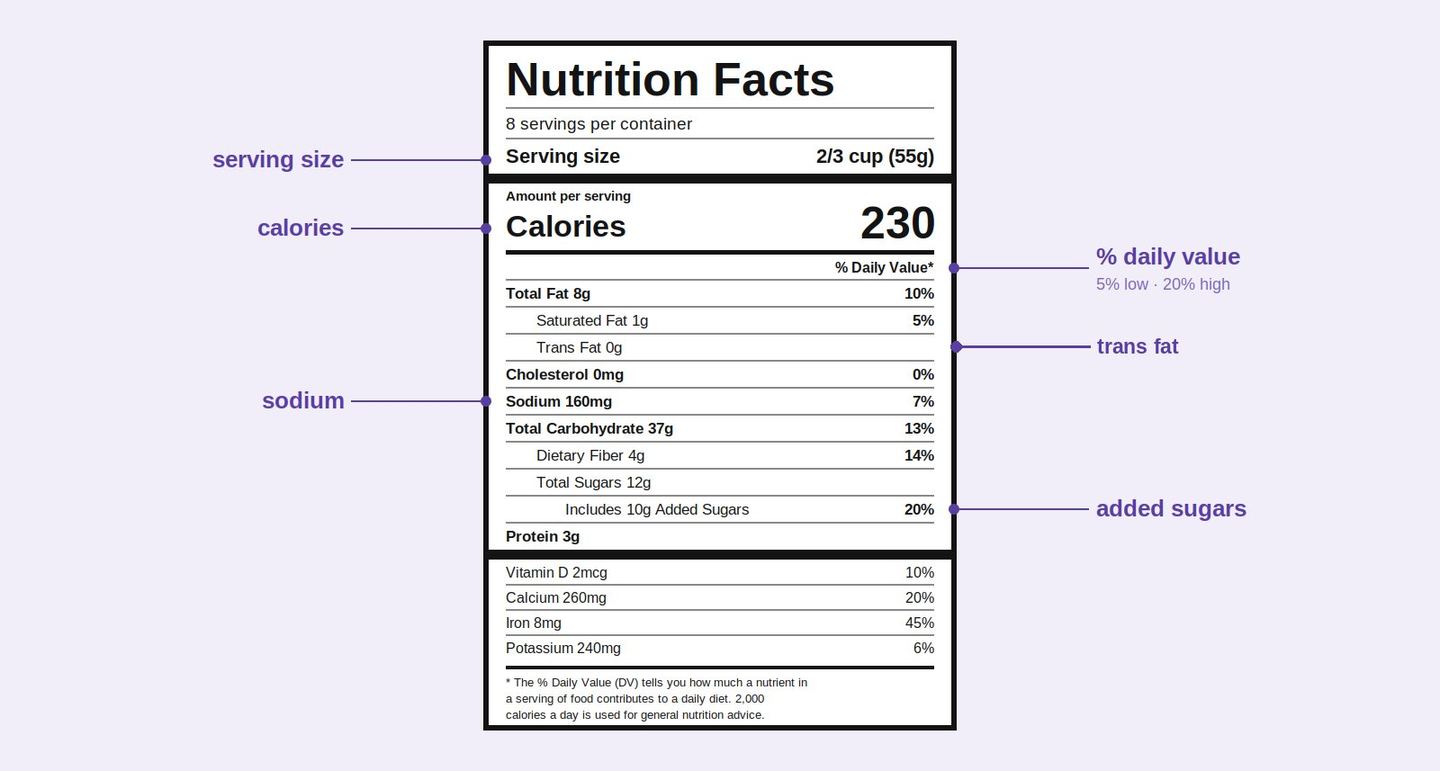
A general guide to reading the U.S. Nutrition Facts label — serving size, calories, % Daily Value (the 5/20 rule), added sugars, sodium, and trans fat.
Dietary fiber: types and food sources
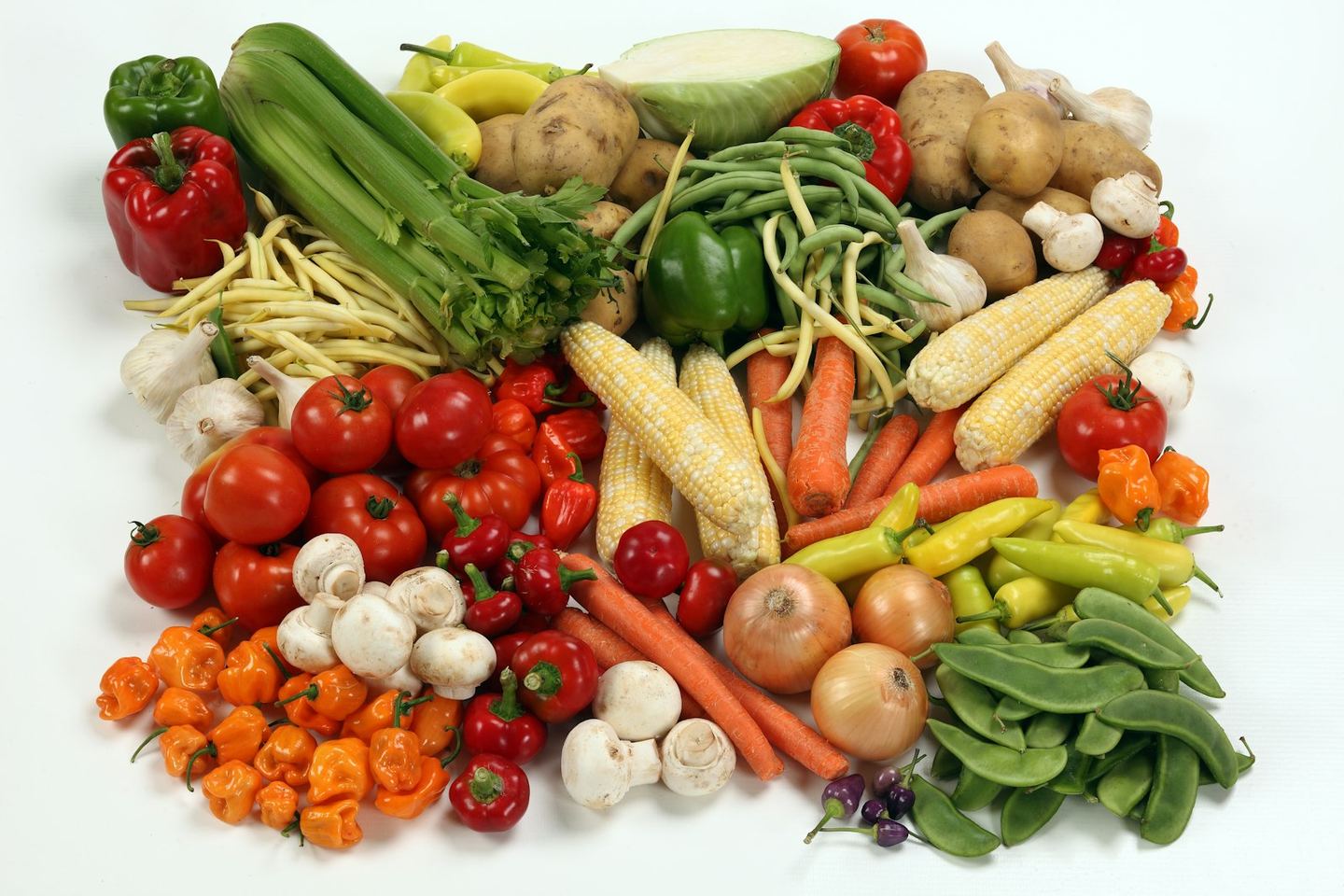
A general overview of dietary fiber: soluble vs. insoluble types, where each is found in food, and how fiber appears on the Nutrition Facts label.

Hydration basics: water, fluids, and everyday needs
A general overview of how the body's fluid needs work: the '8 glasses' rule of thumb, water from food, and everyday hydration cues.

Whole vs. processed foods: a practical lens
A general overview of food processing as a spectrum, a four-group framework, and why the ingredient list matters more than front-of-package claims.

Food and everyday energy
A general overview of how food relates to everyday energy — calories and macronutrients, plus non-food factors like sleep, activity, and hydration.

Macronutrients: protein, carbohydrates, and fat
Protein, carbohydrates, and fat are the three macronutrients. A general look at what each is, where it appears in food, and how to read them on a label.

Vitamin D: forms and food sources
Vitamin D comes in two main forms and a short list of foods. A general overview of D2 vs D3, where it shows up in food, and what labels mean.

Omega-3s (EPA and DHA): food sources
Omega-3s come in several types — ALA, EPA, and DHA. A general guide to the food sources of each and how to read an omega-3 label.
Iron: forms and absorption
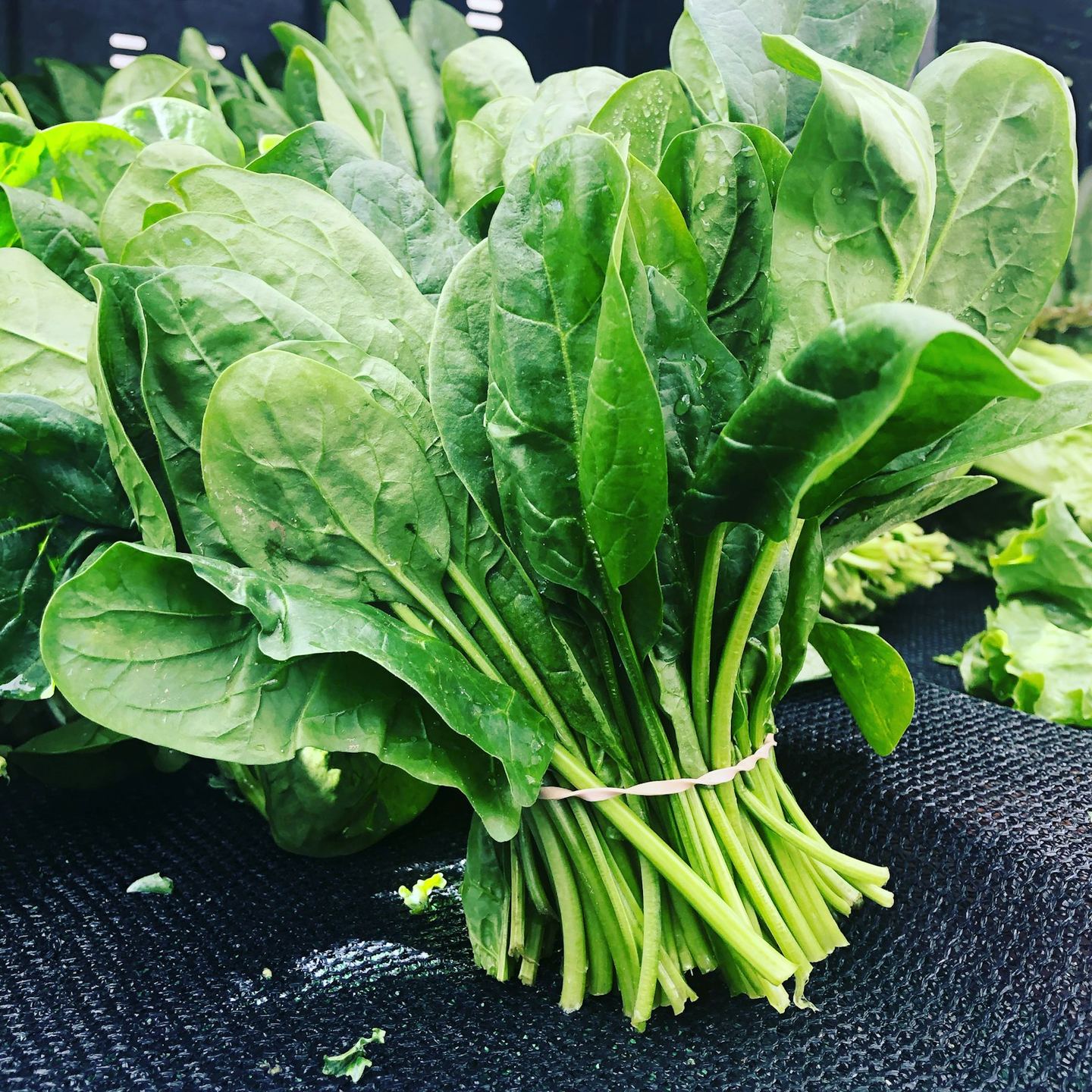
Iron comes as heme and non-heme, and absorption varies a lot. A general overview of iron forms, food sources, and absorption basics.

Vitamin B12: food sources
Vitamin B12 is found almost entirely in animal foods, which makes food sources worth understanding. A general overview and label notes.

What is a nutrient gap, and why it matters
A nutrient gap is the everyday distance between what your body needs and what your meals reliably provide. Here's why it matters.

The case for food-first nutrition
Most nutrition wins come from food, not capsules. Here's what 'food-first' really means and how to apply it without overthinking.

Protein needs across life stages
Protein needs shift over time — adolescence, adulthood, pregnancy, midlife, and older age each have different priorities.