What vegan, lacto-ovo, and pescatarian actually exclude
Vegan, lacto-ovo, pescatarian, flexitarian, halal, kosher: a clear table of what each diet label excludes, and why preferences and allergies differ.
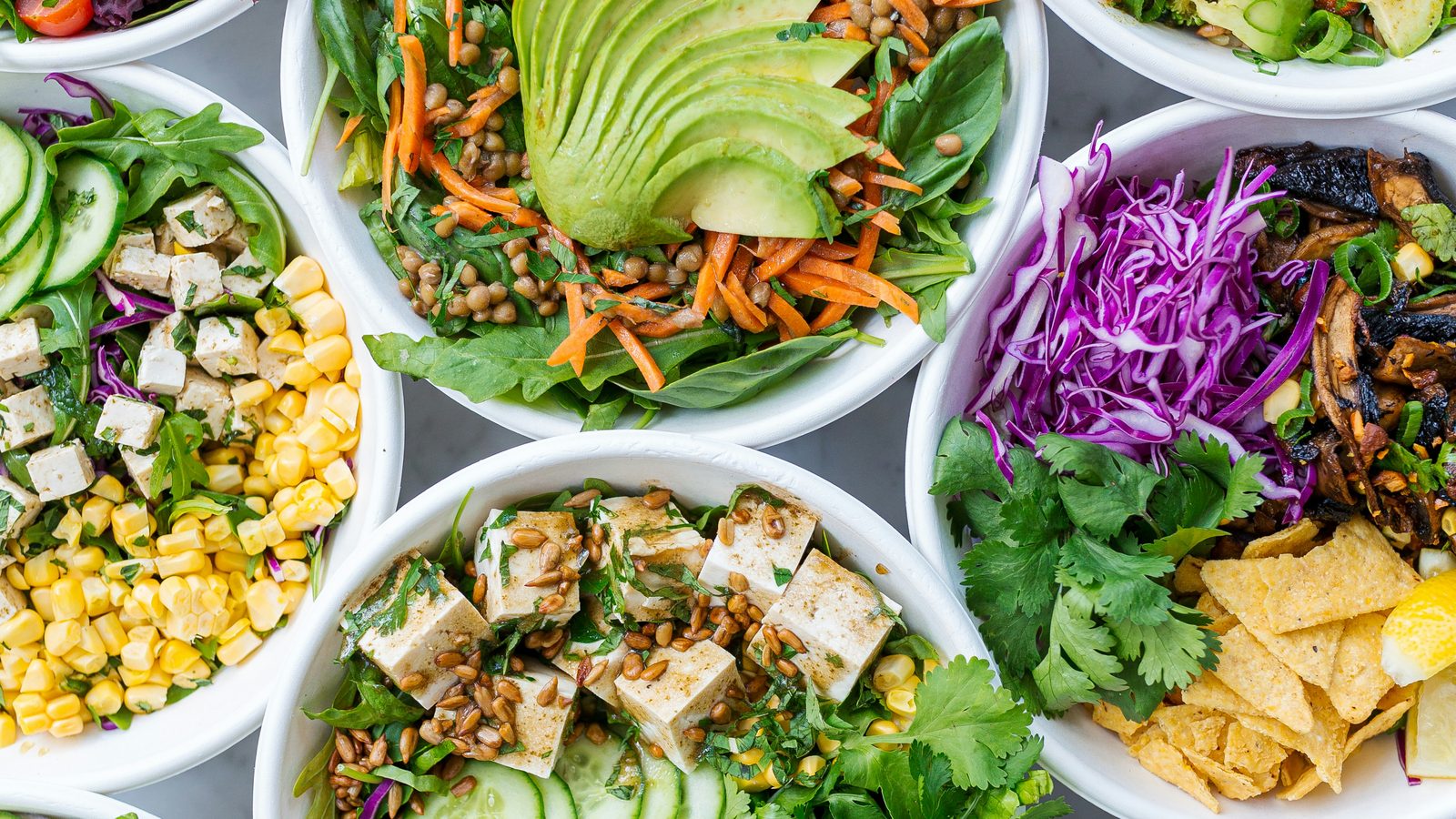
"Vegetarian" is not one thing. Ask five people what it means and you may get five different lists of foods. That matters when an app, a restaurant, or a label asks you to pick a category, because the wrong pick quietly changes what you are shown. This guide sorts the common terms, explains where religious and cultural diets fit, and separates food preferences from food restrictions that actually need to be enforced.
Why the words get confusing
Three different ideas travel under one word:
- Ethical or lifestyle patterns (vegan, vegetarian) describe which animal foods a person chooses not to eat.
- Religious and cultural rules (halal, kosher) describe how food must be sourced and prepared, not just which foods are allowed.
- Medical restrictions (allergies, intolerances, celiac disease) describe foods that can cause harm.
The first is a preference. The last is a hard constraint. Most confusion comes from handling them as the same kind of choice.
The plant-forward ladder, from strictest to most flexible
| Pattern | Red meat & pork | Poultry | Fish & seafood | Eggs | Dairy | Honey & other bee products | Gelatin |
|---|---|---|---|---|---|---|---|
| Vegan | No | No | No | No | No | No | No |
| Lacto-ovo vegetarian | No | No | No | Yes | Yes | Usually yes | No |
| Lacto vegetarian | No | No | No | No | Yes | Usually yes | No |
| Ovo vegetarian | No | No | No | Yes | No | Usually yes | No |
| Pescatarian | No | No | Yes | Yes | Yes | Yes | Varies |
| Flexitarian | Occasionally | Occasionally | Occasionally | Yes | Yes | Yes | Varies |
A few notes on the table:
- Vegan excludes every animal-derived ingredient, including honey, gelatin (made from animal collagen), and often carmine (a red colorant from insects). Some people who eat vegan food for health reasons rather than ethical ones still use honey; that is why "plant-based" is a vaguer term than vegan and does not have a fixed definition.
- Lacto-ovo vegetarian is what most Western menus mean by "vegetarian": no meat, poultry, or fish, but eggs and dairy are fine.
- Lacto vegetarian (dairy, no eggs) is the traditional pattern in much of South Asia. Ovo vegetarian (eggs, no dairy) is less common but common enough to have its own name.
- Pescatarian (also spelled pescetarian) adds fish and seafood to a vegetarian base. Pollotarian is the mirror image: poultry but no red meat or fish. It is rarely offered as an option in apps, so pollotarians often pick "flexitarian".
- Flexitarian means mostly plant-based with occasional meat or fish. There is no agreed threshold for "occasional", so treat it as a description of intent rather than a rule.
- Fruitarian and raw vegan are narrower subsets of vegan (fruit, nuts, and seeds only; or nothing cooked above a low temperature). They are uncommon and are not usually listed as options.
Religious and cultural diets are a separate axis
Halal and kosher are not points on the vegetarian ladder. They can be combined with any pattern above.
- Halal (Islamic dietary law) permits most foods but excludes pork and its derivatives, blood, alcohol, and meat from animals not slaughtered according to religious rules. Ingredients to watch on labels include gelatin (unless certified halal), alcohol-based flavorings, and some emulsifiers of animal origin.
- Kosher (Jewish dietary law) excludes pork and shellfish, requires meat from permitted animals slaughtered in a specific way, and separates meat and dairy. Products are often marked pareve (neither meat nor dairy), meat, or dairy, and carry a certification symbol from a supervising agency.
Because these rules are about sourcing and preparation, a product can be vegetarian and still not be halal or kosher, and a certified halal or kosher product may contain meat. This is why good onboarding flows ask about religious diet separately from vegetarian type, and let you select more than one.
Preferences versus restrictions
Two things look similar on a form but behave very differently:
- A preference is a "soft" signal. "I prefer fewer eggs" should nudge suggestions, not block them.
- A restriction is a "hard" constraint. "I have a shellfish allergy" must always win, even if a recipe would otherwise be a great match.
A useful test: if leaving something out would be a mild annoyance, it is a preference; if eating it would make you unwell, it is a restriction, and it belongs wherever you record allergies and medical information rather than alongside your taste preferences.
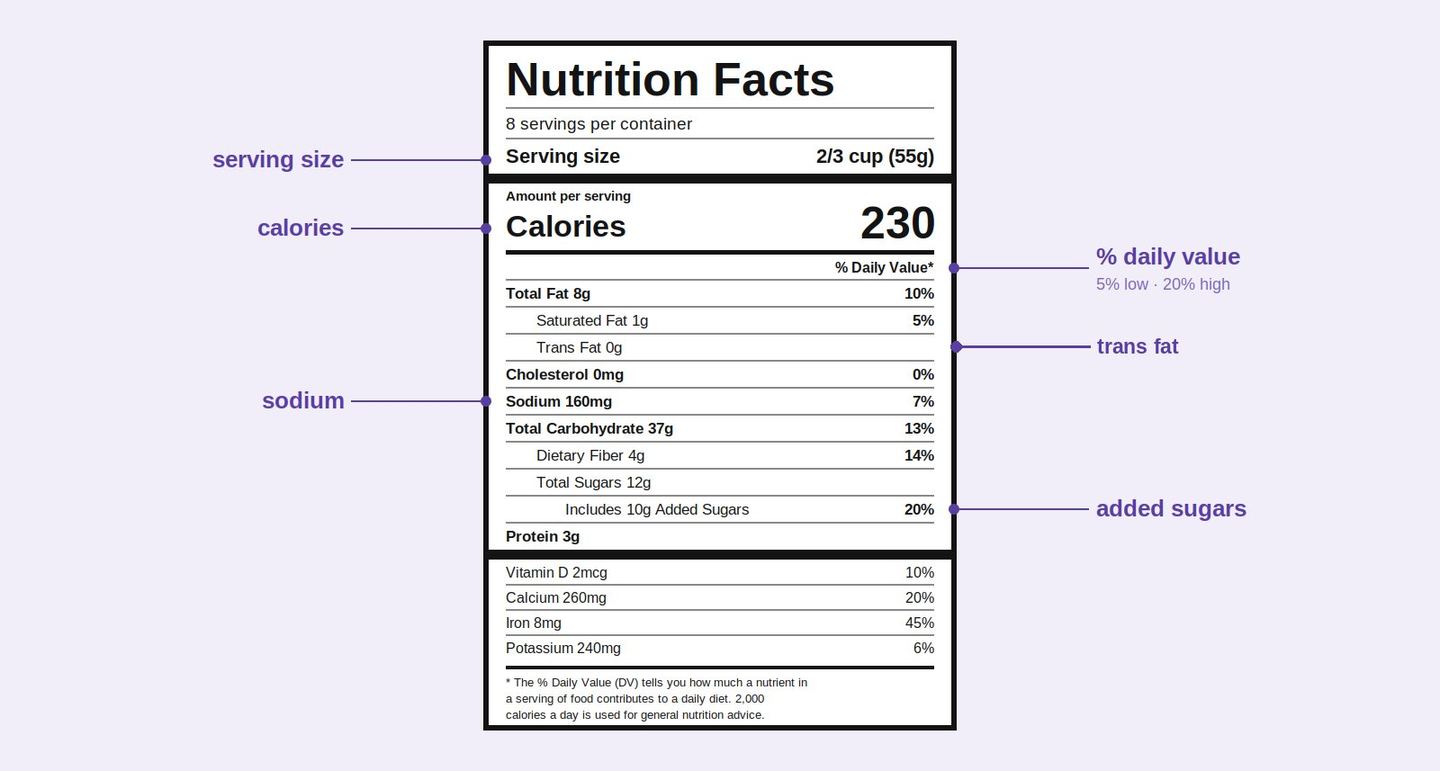
Two labels that sound like allergies are not. Lactose intolerance is a digestive reaction to milk sugar, while a milk allergy is an immune reaction to milk protein. Gluten sensitivity describes symptoms without the intestinal damage of celiac disease, which requires strict avoidance. Both distinctions change what you can eat, so they belong with your medical information — our guide to reading labels covers them, and caffeine and MSG sensitivity, in detail.
Where keto, paleo, and Mediterranean fit
These are eating patterns defined by nutrient balance or food philosophy, not by animal foods or religious rules:
- Low-carb and ketogenic diets limit carbohydrate; they say nothing about whether meat, fish, or dairy are included.
- Paleo emphasizes whole foods and excludes grains, legumes, and most dairy.
- Mediterranean and DASH are patterns emphasizing vegetables, whole grains, olive oil, and fish, with limited red meat and sodium respectively.
- Low-FODMAP is a short-term, clinician-guided elimination approach for digestive symptoms, not a lifestyle diet.
You can be a lacto-ovo vegetarian on a low-carb plan, or halal and Mediterranean. Think of these as a third, independent layer.
References (3)
- Position of the Academy of Nutrition and Dietetics: Vegetarian Diets (J Acad Nutr Diet 2016;116:1970-1980) — Journal of the Academy of Nutrition and Dietetics
- The vegetarian diet — NHS (UK)
- Vegetarian eating patterns — resources and the Dietary Guidelines for Americans Healthy Vegetarian Dietary Pattern — USDA National Agricultural Library
Wellthrive
Get early access to Wellthrive
Join the waitlist for Wellthrive — a nutrition and wellness app for clearer, more practical health decisions.
Get early access to Wellthrive