Hydration basics: water, fluids, and everyday needs
A general overview of how the body's fluid needs work: the '8 glasses' rule of thumb, water from food, and everyday hydration cues.
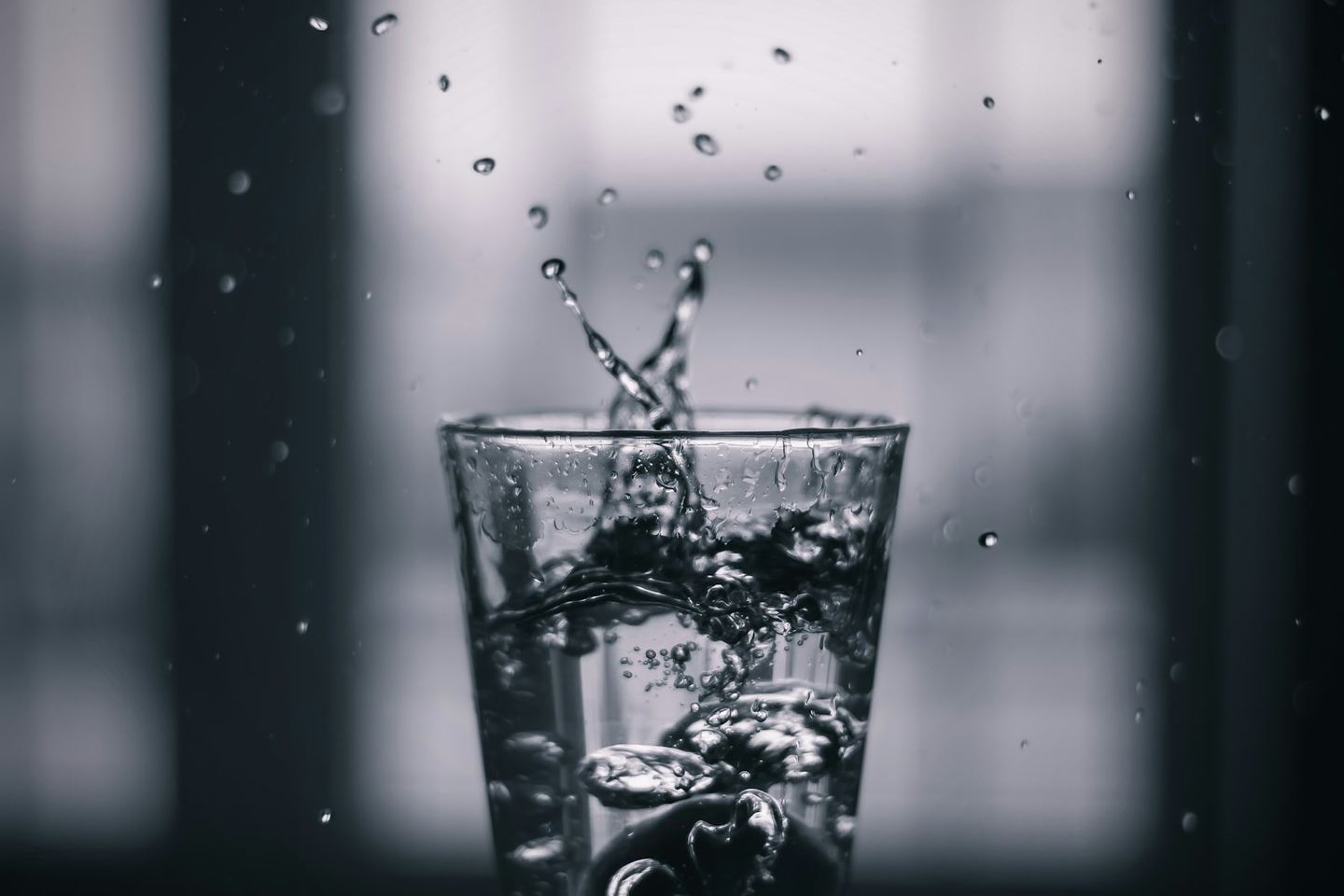
"Drink eight glasses of water a day" is one of the most repeated pieces of nutrition advice — and also one of the most oversimplified. This article is a general overview of how the body's fluid needs work and where day-to-day hydration comes from. It doesn't prescribe an amount for any individual, and it isn't medical advice.
Key points
- Fluid needs vary from person to person; there's no single number that fits everyone.
- The "8 glasses a day" saying is a rough rule of thumb, not a precise target.
- Beverages and water-rich foods both count toward total fluids.
- Thirst, and cues like a dry mouth, are the body's everyday signals.
The "8 glasses" idea, in context
National reference values for total water do exist — and they're higher than eight glasses: roughly 15.5 cups a day for men and 11.5 cups for women, on average, for generally healthy adults. The important caveat is that these are total water figures that include fluids from food and all beverages — not eight extra glasses of plain water on top of everything else. They're population averages, so individual needs differ.
Food counts, too
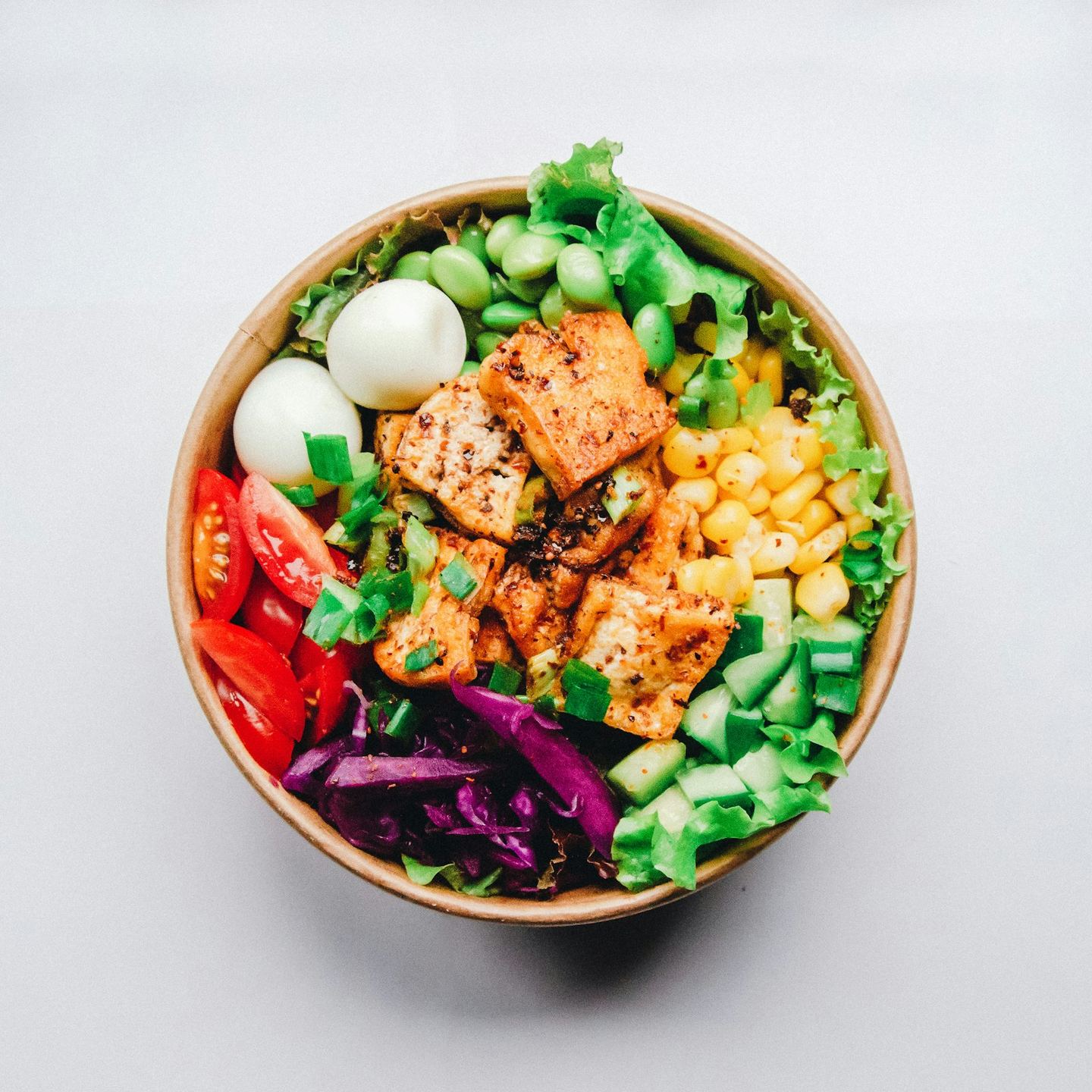
You typically get about 20% of your water from the food you eat — soups, fruits, vegetables, and other water-rich foods all contribute. Beverages beyond plain water count as well; coffee and tea, for example, still add fluid. One label-literacy note: sweetened drinks count toward fluids but also add sugars, which appear as "Added Sugars" on the Nutrition Facts label — a reason the label is worth a glance.
Everyday signals
For generally healthy people, thirst is the body's built-in cue, and most meet their needs by drinking with meals and when thirsty. Informal signs some people watch include a dry mouth or darker-than-usual urine. Needs also rise in predictable situations — hot weather, and longer or more intense physical activity, both increase how much fluid the body uses.
When individual needs differ
Certain situations and health conditions change fluid needs in either direction.
References (3)
- Water in diet — NIH MedlinePlus
- Water, Hydration, and Health — USDA Nutrition.gov
- Dietary Guidelines for Americans, 2020–2025 — U.S. Departments of Agriculture & Health and Human Services
Wellthrive
Get early access to Wellthrive
Join the waitlist for Wellthrive — a nutrition and wellness app for clearer, more practical health decisions.
Get early access to Wellthrive