Iron: forms and absorption
Iron comes as heme and non-heme, and absorption varies a lot. A general overview of iron forms, food sources, and absorption basics.
Iron is a nutrient where the form and the context change the picture more than the headline milligram amount. This article is a general overview of dietary iron forms, food sources, and absorption basics. It isn't medical advice, and — for reasons covered below — iron is one supplement that especially warrants professional guidance.
Key points
- Dietary iron comes in two forms — heme (animal-source) and non-heme (plant and fortified).
- Heme iron is absorbed more readily; non-heme absorption is more variable.
- Vitamin C can help non-heme absorption, while tannins, calcium, and some plant compounds can reduce it.
- Both too little and too much iron carry real consequences, so testing and professional guidance matter.
Two forms of dietary iron
Iron in food comes in two types that behave quite differently:
| Type | Found in | Absorption |
|---|---|---|
| Heme iron | Animal-source foods (meat, poultry, fish) | More readily absorbed; less affected by the rest of the meal |
| Non-heme iron | Plant foods and fortified products | Most of the iron in many diets; more variable and meal-dependent |
Food sources
Heme sources: beef, organ meats, poultry, and seafood such as oysters, clams, and sardines.
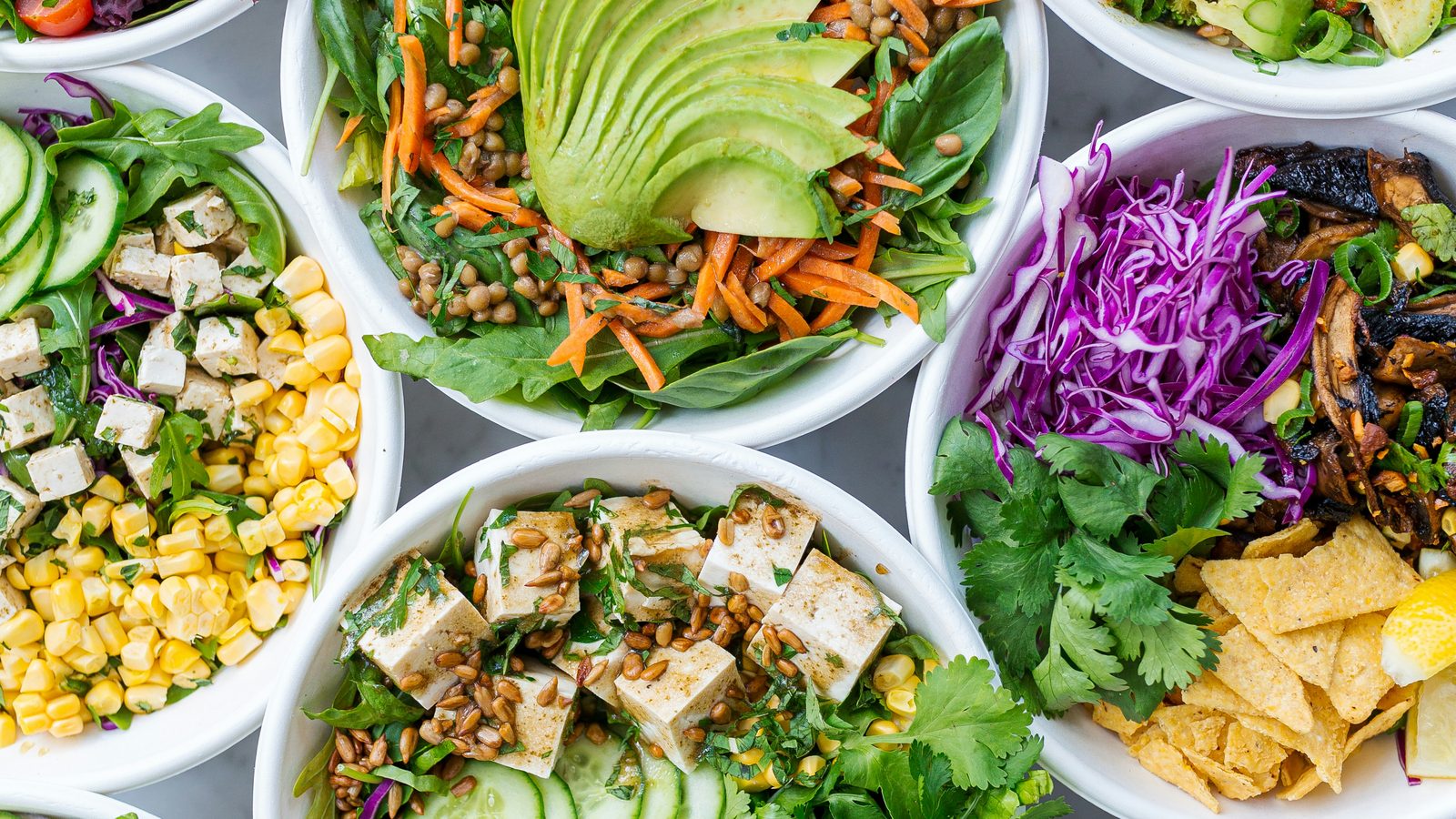
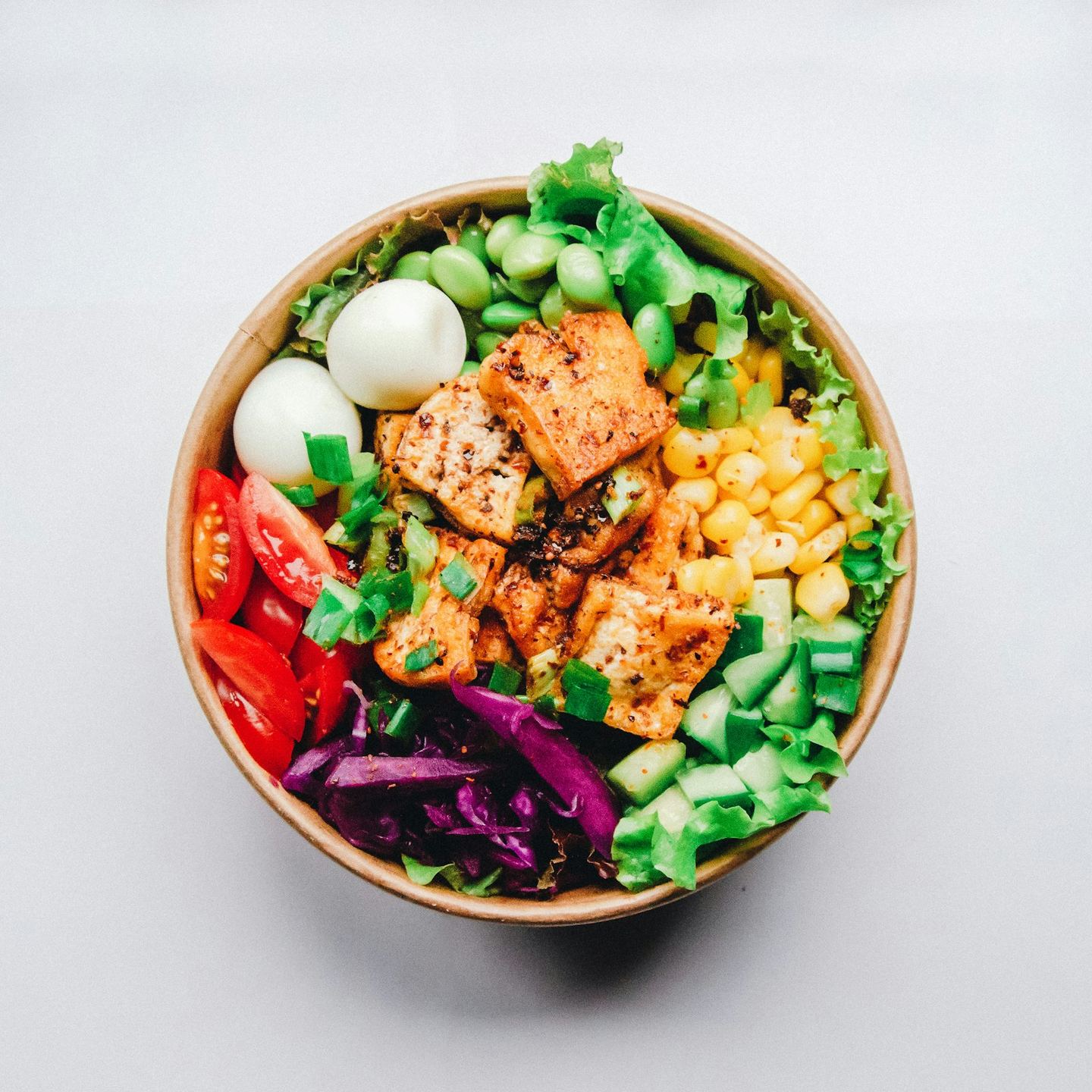
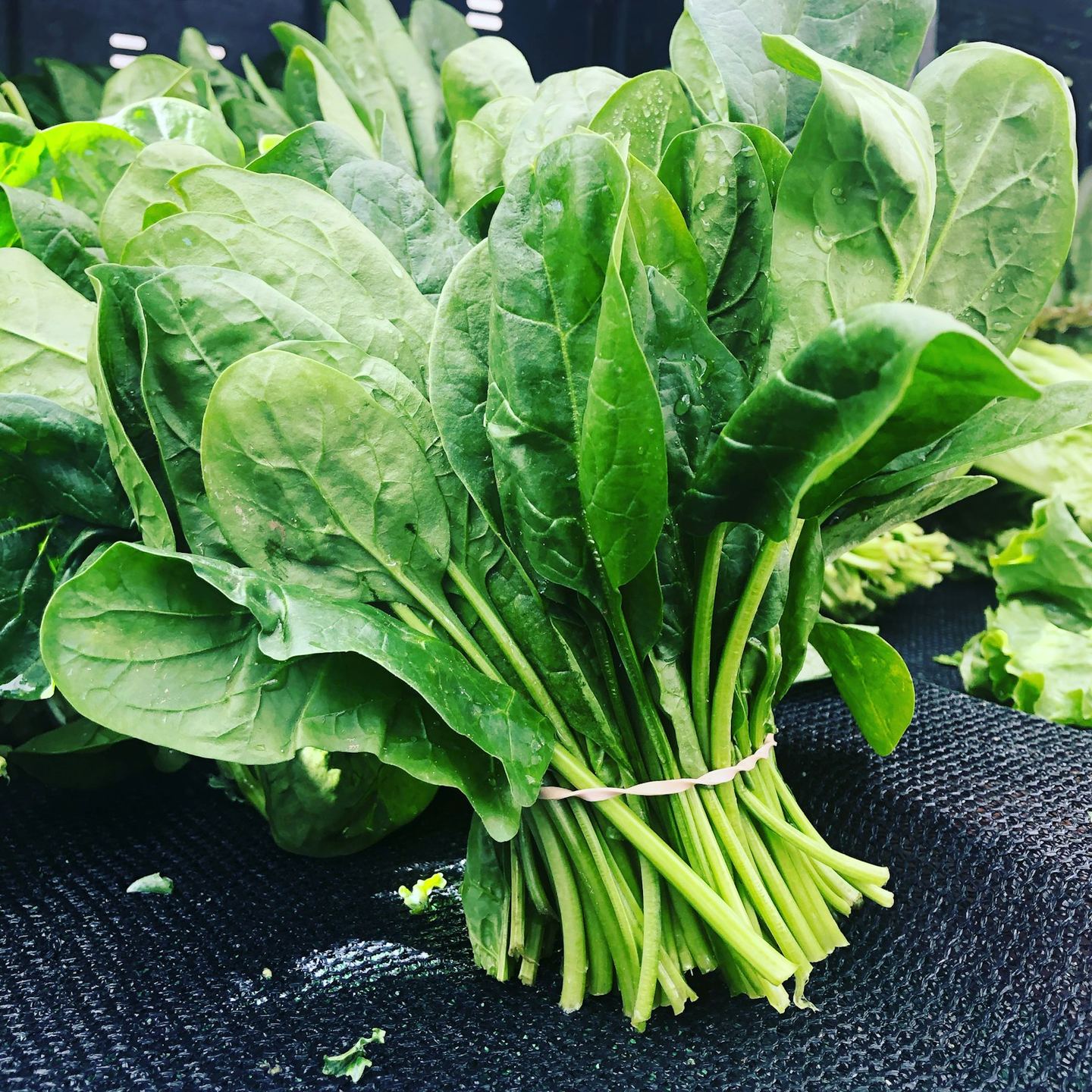
Non-heme sources: lentils, beans, tofu, spinach and other leafy greens, pumpkin seeds, and iron-fortified cereals and breads.
What helps and hinders absorption
Non-heme iron in particular is sensitive to its mealtime company:
| Factor in the same meal | Effect on non-heme iron |
|---|---|
| Vitamin C and vitamin-C-rich foods | Can improve absorption |
| Tannins in tea and coffee | Can reduce absorption |
| Calcium, including dairy and calcium supplements | Can reduce absorption |
| Some compounds in whole grains and legumes | Can reduce absorption |
This is why a spinach salad with a squeeze of lemon and a cup of tea afterward isn't quite the same iron story as the salad alone — small mealtime choices shift how much is actually absorbed.
Supplement forms
Iron supplements come in several forms — for example ferrous sulfate, ferrous gluconate, ferrous fumarate, and iron bisglycinate. They differ in elemental iron content and in how well they're tolerated; some people find certain forms gentler on the stomach than others. The "best" form is an individual matter.
Why iron deserves extra caution
This is the important part. Iron is not a supplement to take "just in case":
- The body has no efficient way to excrete excess iron, so it can build up. Too much can cause harm, and some people have conditions that make iron overload dangerous.
- Iron supplements are a leading cause of poisoning in young children. Products should be kept tightly closed and out of reach.
- Symptoms people associate with low iron (fatigue, for example) overlap with many other causes, so self-diagnosing isn't reliable.
For these reasons, decisions about iron supplementation are best made with lab work and a qualified healthcare professional — not from a label or a feeling of being tired.
The bottom line
Iron's story is about form and context: heme versus non-heme, what's on the plate alongside it, and the supplement form. Food is the foundation. But because both too little and too much iron carry real consequences, supplementation is a case where professional guidance and testing genuinely matter.
References (3)
- NIH Office of Dietary Supplements — Iron Fact Sheet — NIH Office of Dietary Supplements
- USDA FoodData Central — U.S. Department of Agriculture
- FDA — Nutrition & Supplement Facts Labels — U.S. Food & Drug Administration
Wellthrive
Get early access to Wellthrive
Join the waitlist for Wellthrive — a nutrition and wellness app for clearer, more practical health decisions.
Get early access to Wellthrive