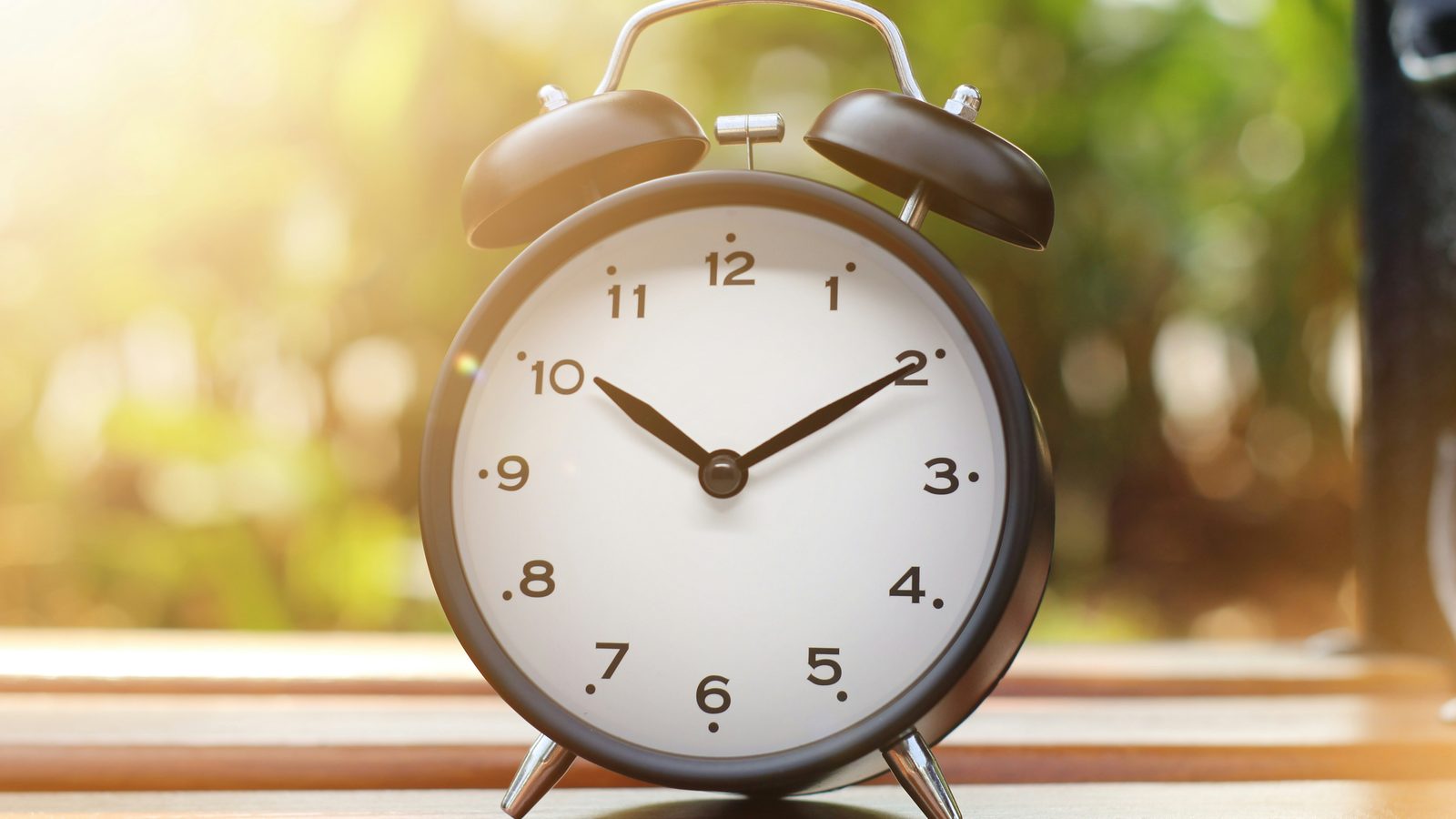
Morning routines: what’s worth doing, and what’s overhyped
Which morning habits are actually worth the effort, which are overhyped, and a simple, low-pressure way to build a routine that fits your day.

Morning-routine advice is everywhere, usually packaged as a rigid 12-step regimen you're supposed to copy. But the useful question isn't "what's the perfect routine?" — it's "which morning habits are actually worth the effort, and which are just noise?" Here's how to tell the difference.
What is a morning routine actually for?
A routine does three quiet things. It lowers the number of decisions you have to make before you're fully awake, it gives your body consistent cues — light, movement, food — at a consistent time, and it turns useful behaviors into defaults you don't have to negotiate every day. None of that requires a 5 a.m. alarm or a twelve-item checklist. Treating it like it does is exactly where most routines fall apart.
Which morning habits have the most support?
Not every trendy ritual earns its place. A handful have genuinely solid backing:
- A consistent wake time. Getting up at roughly the same time helps keep your internal body clock aligned — the same clock that's set largely by your daily light-and-dark pattern. Consistency matters more than how early you start.
- Some morning light. Light is the main signal your body clock uses to stay synced to the 24-hour day. Opening the blinds or stepping outside for a few minutes is a low-effort cue, no special device required.
- Movement that fits your day. Federal guidance is refreshingly simple: move more, sit less, and even short bursts count. A brief walk or a few minutes of stretching is a fine start — the aim is regularity, not intensity.
- A glass of water. Hydration is one of the easiest anchors to add, and spreading fluids across the day, starting in the morning, is a sensible default.
- A breakfast that works for you. Whether you eat first thing is individual. If you do, building it around foods you'd reach for anyway beats forcing down a "perfect" morning meal.
What connects all five: they're small, repeatable, and don't lean on willpower.
The common mistakes
Most morning routines that collapse do it in the same few ways:
- ✗ Copying someone else's routine wholesale. A twelve-step influencer routine is built for their schedule, not yours.
- ✗ Stacking too many new habits at once. Adding five things on day one almost always means none of them stick.
- ✗ Treating it as all-or-nothing. Missing a day isn't failure; quitting because you missed a day is.
- ✗ Chasing intensity over consistency. A five-minute habit you do daily beats a forty-five-minute one you manage twice.
- ✗ Letting the routine become pressure. If your morning "self-care" feels like one more obligation to perform, it's working against you.
A simple way to build one
The way habits actually form points to a slow, low-drama approach. In one widely cited study, the time it took a behavior to feel automatic ranged from about two weeks to eight months, with most people somewhere in the middle. The lesson isn't a magic number of days — it's that habits take weeks of repetition, and patience outperforms intensity.
- Pick one anchor habit. Just one. Choose the smallest version of something from the list above.
- Attach it to a cue you already have. "After I start the coffee, I open the blinds." Existing routines are the best hooks for new ones.
- Make it small enough to do on a bad day. If it survives a rough morning, it'll survive an ordinary one.
- Give it a few weeks before you judge it. Automaticity builds gradually, so don't bail at day three.
- Add the next habit only once the first runs on its own. Stacking works when each layer underneath is already steady.
A realistic starter checklist
A workable morning doesn't need to be long. A version that fits most schedules:
- ✓ Wake within roughly the same 30-to-60-minute window most days
- ✓ Let in some daylight within the first hour
- ✓ Drink a glass of water
- ✓ Move for a few minutes, in whatever way you like
- ✓ Eat, or don't, in a way that matches your hunger and your schedule
That's the whole thing. If you do nothing else, do these — and only add more once they've become automatic.
FAQ
Do I have to wake up at 5 a.m.? No. Consistency and enough sleep matter far more than an early start. A steady 7 a.m. beats a heroic but erratic 5 a.m.
Is it bad to check my phone first thing? It's less about the phone itself and more about what it pulls you into. If scrolling derails the rest of your morning, delaying it can help; if it doesn't, it isn't worth stressing over.
How long until a routine feels automatic? Weeks, usually — and it varies a lot from person to person and habit to habit. Expect to repeat something many times before it stops taking effort.
When is it too late for caffeine? Caffeine lingers longer than most people expect, so afternoon and evening coffee can quietly cut into sleep. The right cutoff is individual — if your sleep is fine, you've probably already found yours.
A morning routine is scaffolding, not a rulebook. The best one isn't the longest or the earliest; it's the smallest one you'll actually repeat, because consistency is the only ingredient that compounds. Start with a single habit, keep it easy, and let it earn its place before you add the next.
References (4)
- How are habits formed: Modelling habit formation in the real world (Lally et al., 2010) — European Journal of Social Psychology
- Effects of light on human circadian rhythms, sleep and mood (Blume et al., 2019) — Somnologie
- Top 10 Things to Know About the Physical Activity Guidelines for Americans — U.S. Dept. of Health & Human Services (ODPHP)
- How Much Water Do You Need? — Academy of Nutrition and Dietetics
Wellthrive
Get early access to Wellthrive
Join the waitlist for Wellthrive — a nutrition and wellness app for clearer, more practical health decisions.
Get early access to Wellthrive