How sleep and nutrition affect each other
How what and when you eat can shape your sleep — and how a short night shapes the next day's appetite and choices. A two-way, low-pressure look.
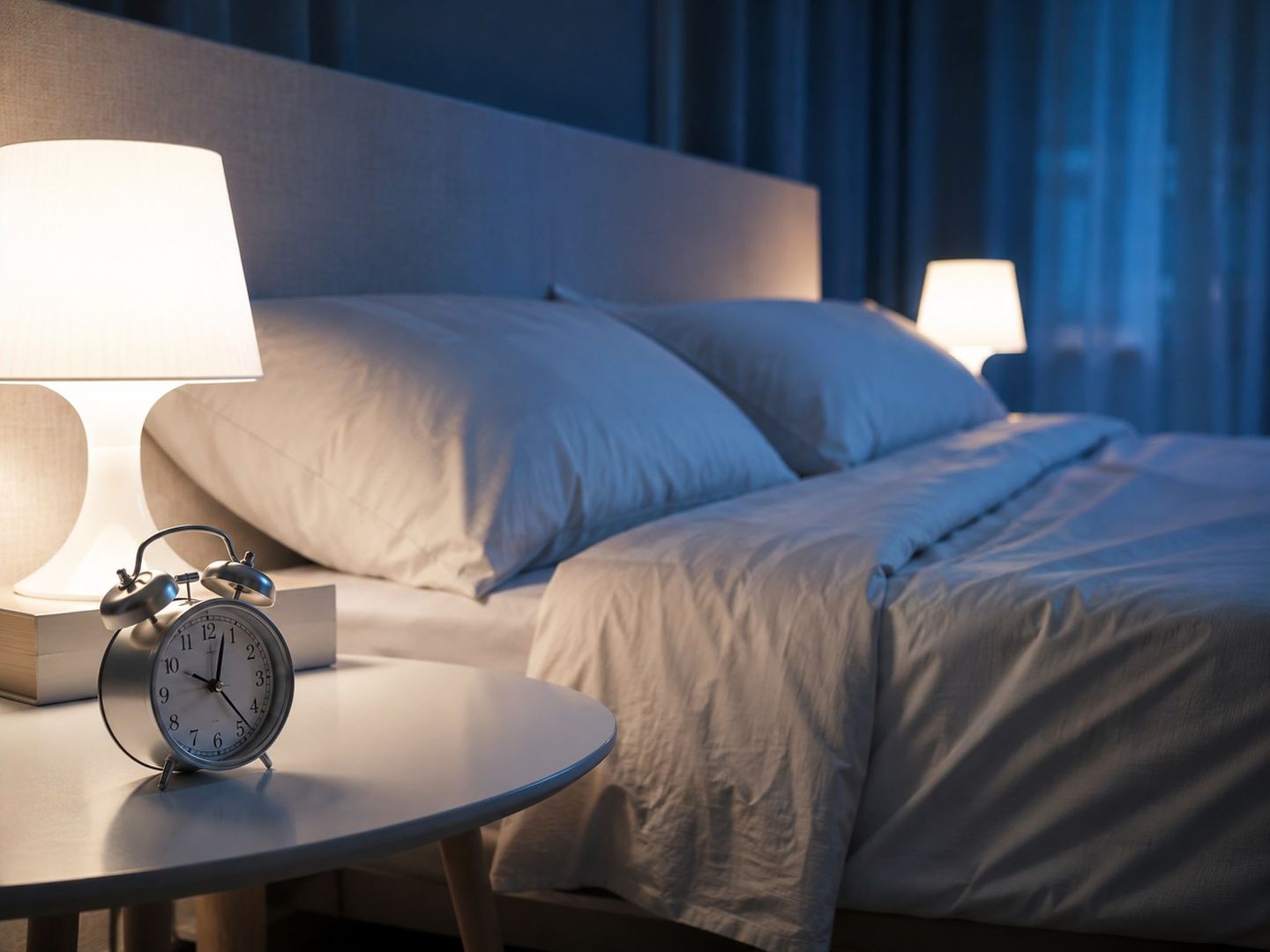
It's tempting to treat sleep and eating as two separate projects — one for the night, one for the day. But they behave more like two ends of the same loop. What and when you eat can shape how easily you fall and stay asleep, and the sleep you get feeds back into how hungry you feel and what you reach for the next day. Seeing them as connected, rather than as two more things to optimize, tends to make both easier to live with.
Key takeaways
- Sleep and food work in both directions: daytime eating can nudge your sleep, and a short night can nudge the next day's hunger and cravings.
- A handful of eating habits tend to help sleep and a handful tend to get in the way — and most of it is about timing as much as content.
- You don't have to overhaul either one. A small, steady change on whichever side is easier for you usually does more than a strict plan.
How does eating affect sleep?
A few patterns come up again and again. Caffeine is a daytime input with a long tail — it can linger well into the evening, so coffee, tea, or energy drinks later in the day are a common, quiet reason sleep gets harder to come by. A very large or heavy meal right before lying down can make settling less comfortable for some people, while giving a big meal some time before bed tends to help. Fluids matter too: keeping up with fluids during the day is sensible, but loading up right before bed often just trades one problem for the wake-ups that follow. And while alcohol can feel relaxing at first, it tends to fragment sleep later in the night.
The short version: there's no single "sleep food." It's mostly about timing — caffeine earlier, large meals not too late, fluids spread out.
| Tends to help | Tends to get in the way |
|---|---|
| Keeping caffeine to earlier in the day | Coffee, tea, or energy drinks late in the afternoon or evening |
| Letting a large meal settle before bed | A heavy or very large meal right before lying down |
| Sipping water steadily during the day | Drinking a lot right before bed |
| A small snack if hunger is keeping you up | Leaning on alcohol to wind down |
And how does sleep affect eating?
The loop runs the other way too. After a short or restless night, appetite signals can shift, and a lot of people notice they reach for quicker, more energy-dense foods the next day. Planning takes patience, and patience is in shorter supply when you're tired — so the "I'll just grab something" days often follow the rough nights. None of that is a personal failing; it's a predictable response from a tired brain.
A rough night tends to show up the next day as stronger cravings and less patience for planning — worth expecting, rather than fighting.
What this means in practice
Because it's a loop, you don't have to fix both ends at once — and you probably shouldn't try. Pick the side that's easier to reach. If your evenings are chaotic, the simplest lever is often a daytime one: pull your caffeine earlier and see what happens. If your days are packed, protect a consistent sleep window and let your food choices follow the better-rested version of you. The two ends pull on each other, so progress on one usually shows up, at least a little, on the other.
The useful reframe is that sleep and eating aren't two separate to-do lists; they're a loop that feeds itself in both directions. That's the good news — a small change on whichever side is easier for you tends to ripple to the other. Nudge the end you can actually reach, and let the loop carry some of the work.
References (3)
- Sleep Deprivation and Deficiency — U.S. National Heart, Lung, and Blood Institute (NHLBI)
- Sleep Duration and Quality: Impact on Lifestyle Behaviors and Cardiometabolic Health (AHA Scientific Statement, 2016) — Circulation (American Heart Association)
- Caffeine — MedlinePlus (U.S. National Library of Medicine)
Wellthrive
Get early access to Wellthrive
Join the waitlist for Wellthrive — a nutrition and wellness app for clearer, more practical health decisions.
Get early access to Wellthrive