Tracking without obsessing over the numbers
How food, activity, or sleep tracking can be a useful tool — and the signs it's tipping into something stressful. A gentle, numbers-optional look at staying in balance.
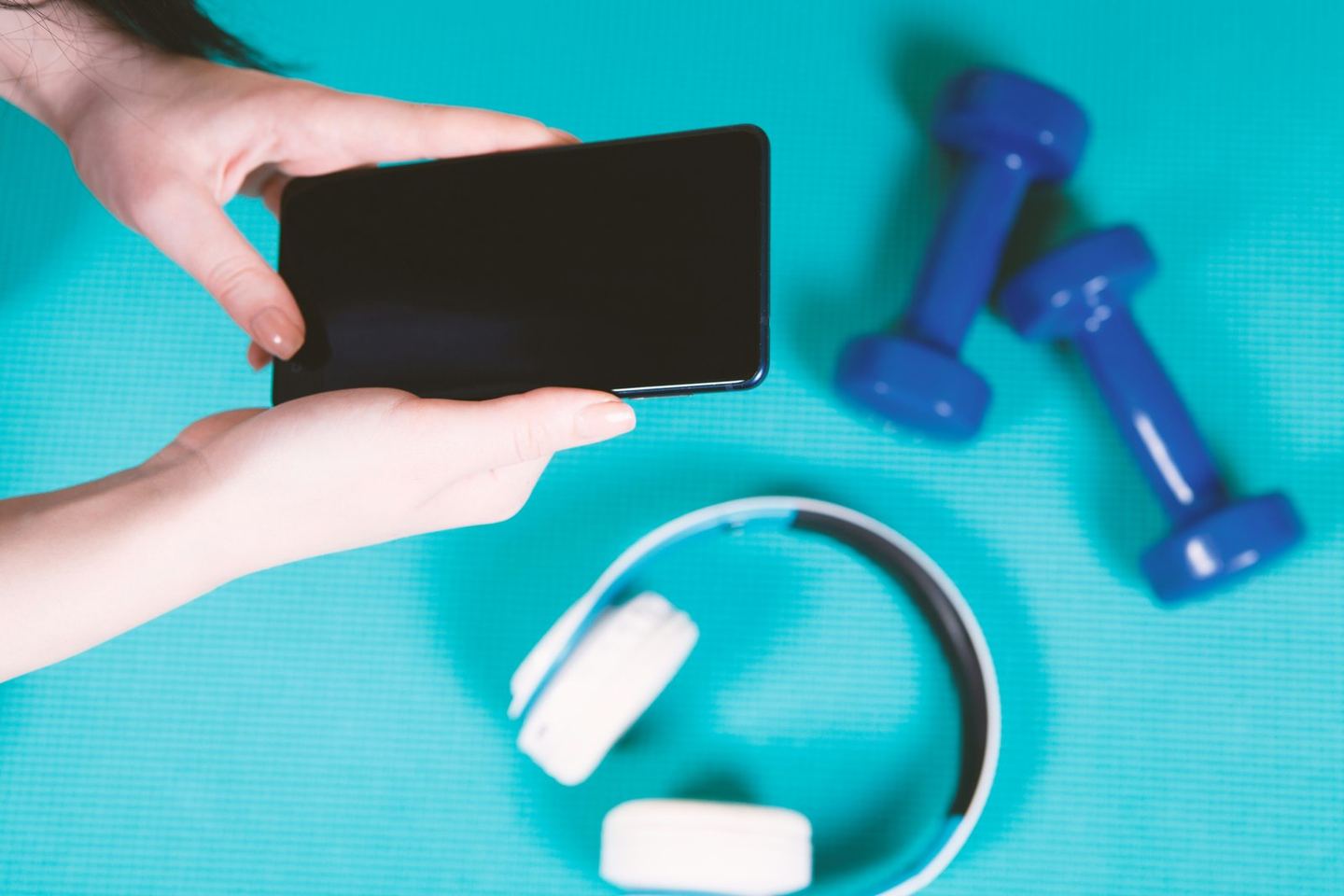
Tracking — food, steps, sleep, whatever it is — can genuinely help. Seeing a pattern you'd otherwise miss can be the nudge that makes a change stick. But the same tool that helps one week can quietly turn into a source of stress the next. What matters isn't whether you track — it's whether the tracking is still working for you, or whether you've quietly started working for it.
Key takeaways
- Tracking is a tool, not a scorecard — it's useful when it tells you something you'll act on, and less useful when it mostly adds pressure.
- The line between helpful and harmful is less about the act of tracking and more about how the numbers make you feel and behave.
- If logging starts to feel compulsive or stressful, stepping back is a reasonable, healthy choice — not a failure.
What makes tracking useful?
At its best, tracking turns something vague into something you can see. It surfaces patterns, builds a bit of awareness, and makes a fuzzy intention concrete enough to act on. The key word is act — tracking earns its keep when it points you toward a small change and then lets you move on. It works best as a means to an end, not a permanent obligation, and definitely not a running measure of how well you're doing as a person.
Healthy tracking vs. warning signs
The difference usually shows up in how it feels, not in the act itself.
| ✓ A healthy relationship with tracking | ✗ Signs it may be tipping over |
|---|---|
| You check in when it's useful, and skip it when it's not | You feel anxious or guilty when you can't log something |
| The numbers inform a choice, then you move on | The numbers set your mood for the day |
| You can take a day — or a week — off without worry | Missing a day feels like failure, so you over-correct |
| Tracking fits around your life | Your life starts bending around the tracking |
| It feels like information | It feels like a rule you're being graded against |
If a few of the signs on the right feel familiar, that's not a verdict — it's just worth noticing.
When it stops helping
Tracking has tipped past useful when it starts feeling compulsive, drives more anxiety than insight, or pulls you toward skipping meals or sidestepping social situations to "stay on track." That's the moment to loosen your grip — take a break, switch to a lighter check-in, or set it down for a while. If stepping back turns out to be hard to do on your own, talking it through with someone you trust, or a professional, can help.
Tracking earns its place when it hands you useful information and then gets out of the way. The moment it starts setting your mood, narrowing your choices, or feeling like a test you can fail, it's worth remembering what it's actually for: a tool that should work for you, not the other way around. You're allowed to pick it up when it helps and put it down when it doesn't — that flexibility is the whole point.
References (3)
- Eating Disorders — U.S. National Institute of Mental Health (NIMH)
- Changing Your Habits for Better Health — U.S. National Institute of Diabetes and Digestive and Kidney Diseases (NIDDK)
- Associations Between the Use of Fitness and Diet Tracking Technology and Disordered Eating Behaviour: A Systematic Review (2024) — Journal of Eating Disorders (PMC, peer-reviewed systematic review)
Wellthrive
Get early access to Wellthrive
Join the waitlist for Wellthrive — a nutrition and wellness app for clearer, more practical health decisions.
Get early access to Wellthrive