Protein needs across life stages
Protein needs shift over time — adolescence, adulthood, pregnancy, midlife, and older age each have different priorities.
Protein is one of the few nutrients where most adults benefit from being slightly more deliberate, and it's also one of the most misunderstood. Recommended intakes vary by age, body size, activity, and life stage — and the differences matter more than people often realize.
Key points
- Protein needs shift with age, body size, activity, and life stage.
- The 0.8 g/kg figure is a minimum to prevent deficiency, not a target — general orientation, not a personal prescription.
- A practical anchor is a recognizable protein serving at most meals, spread across the day.
- Protein becomes more important with age, ideally paired with resistance training.
Why protein matters
Protein supplies the amino acids the body uses for almost everything structural: muscle, tendons, skin, hair, immune cells, hormones, and enzymes. It also tends to be the most satiating macronutrient, which is one reason higher-protein meals often help with steadier energy.
Underconsumption rarely shows up as anything dramatic. Instead, it shows up as slower recovery, harder muscle maintenance with age, and meals that don't quite hold you between sittings.
A rough adult baseline
The widely cited 0.8 g/kg of body weight per day is a minimum to prevent deficiency, not a target for thriving. For most healthy adults, intakes in the range of roughly 1.2–1.6 g/kg/day are commonly discussed, especially for those who exercise. This is general orientation, not a personal prescription.
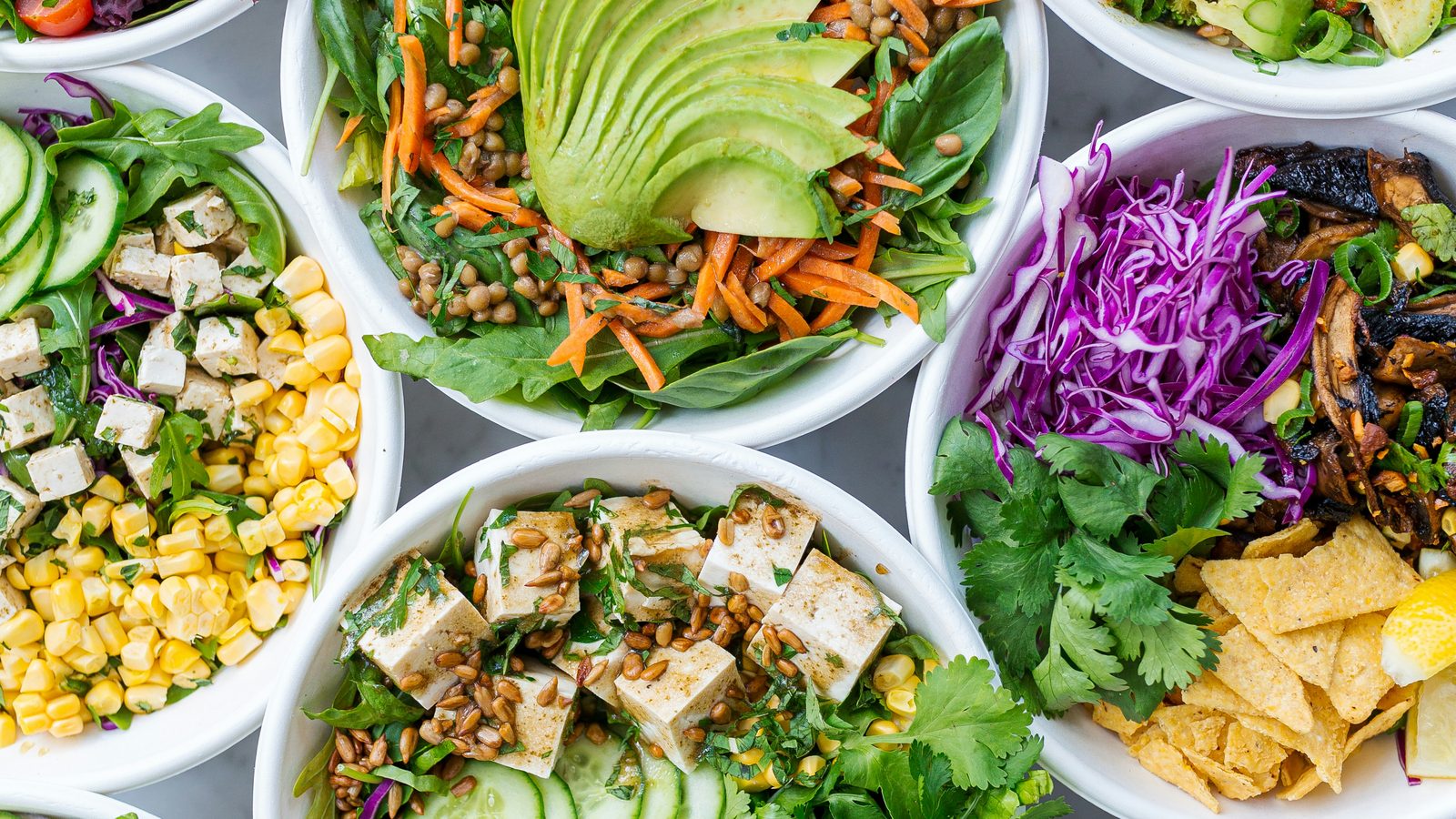
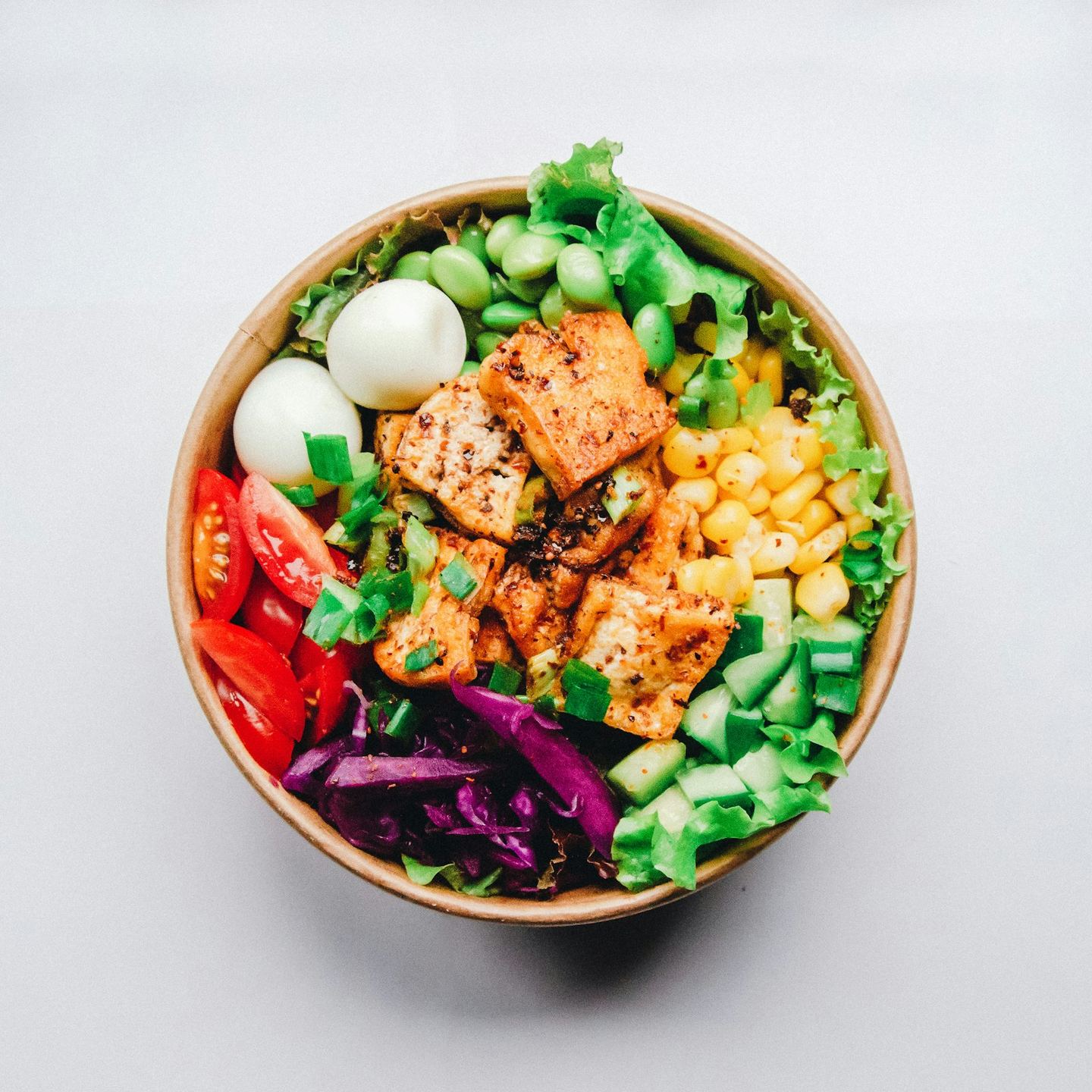
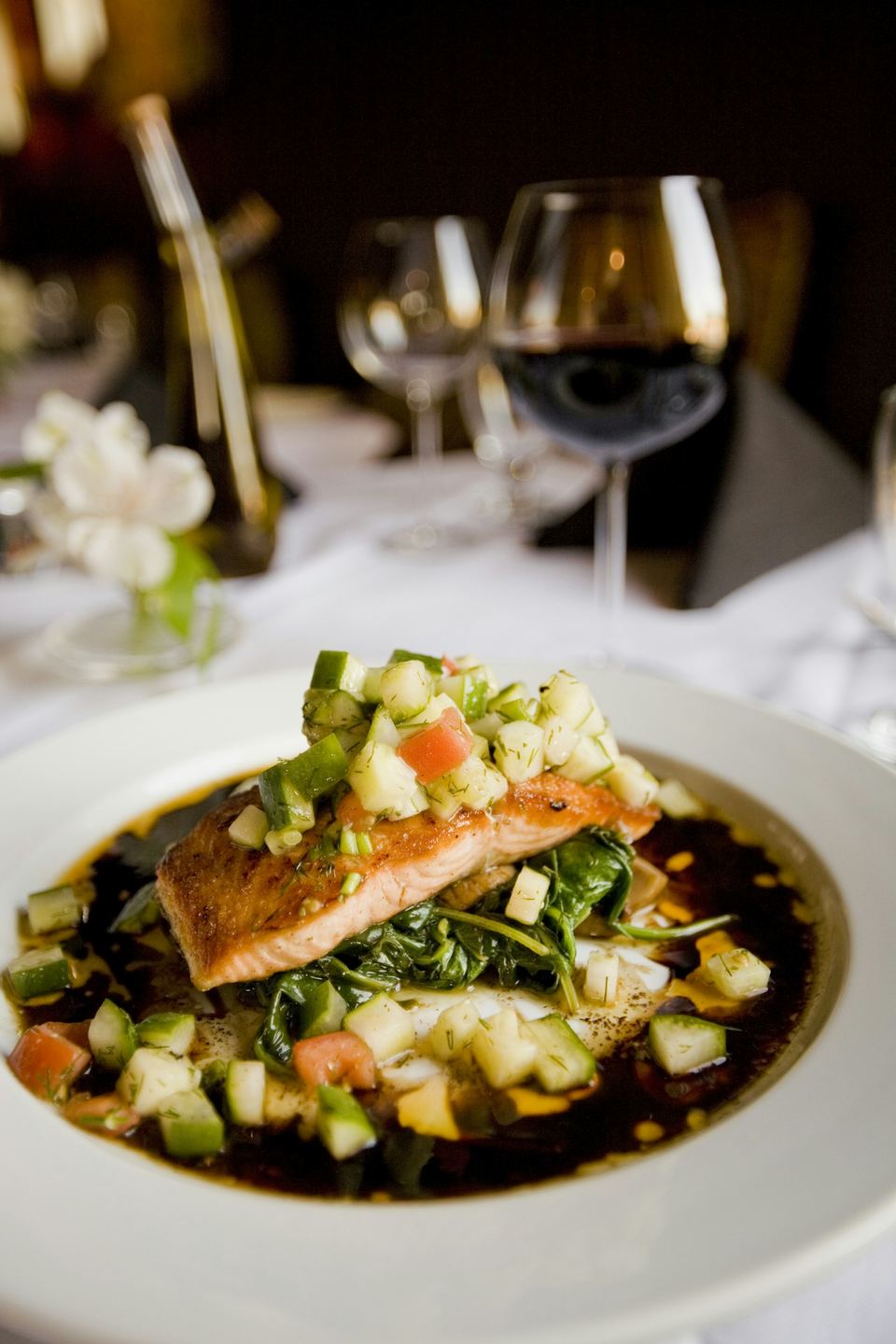
A useful practical anchor: aim for a recognizable serving of protein at most meals — a palm-sized portion of meat or fish, a generous scoop of beans or tofu, a few eggs, or a serving of dairy. Three meals built around that pattern get most adults into a reasonable range without spreadsheets.
Children and adolescents
Protein needs per kilogram of body weight are higher in childhood than in adulthood, simply because the body is building. The good news: children who eat a varied diet that includes some animal products, legumes, dairy, eggs, or fish typically meet their needs without any special effort.
Adolescents in growth spurts and active teens may benefit from slightly higher intakes, again from food sources rather than products.
Pregnancy and breastfeeding
Protein needs increase modestly during pregnancy, particularly in the second and third trimesters, and remain elevated during breastfeeding. This isn't usually a reason for protein powders by default — most can meet the increase by adding moderate, food-based servings (eggs, dairy, fish, beans, tofu, lean meat) across the day.
Personalized guidance from a qualified clinician is appropriate here, especially in the context of broader prenatal nutrition.
Adulthood and active years
For adults who train, the conversation shifts from "enough" to "enough, distributed well."
Two patterns matter:
- Total daily intake somewhere in the moderate range above the minimum, depending on training volume.
- Distribution across meals, with reasonable amounts of protein at three or four eating occasions, rather than a tiny breakfast and a giant dinner.
A back-loaded protein day is one of the most common patterns to fix.
Midlife and beyond
Protein becomes more important with age, not less. Muscle is more reluctant to maintain itself in older adults, and meals tend to drift lower in protein at exactly the time when more would help. Some research and clinical guidance points toward intakes higher than the standard adult minimum for older adults, paired with some form of resistance training to give that protein something to build.
Practical adjustments tend to matter more than perfect math:
- A protein source at breakfast, not just at dinner.
- Easy-to-chew options (eggs, dairy, fish, slow-cooked meats, legumes) when texture becomes a barrier.
- Spreading intake across the day rather than concentrating it.
On powders and bars
Protein powders and bars are convenient, not magical. They're a reasonable way to top up intake for busy days, post-training, or when appetite is low. They're not a replacement for the broader nutritional package that food provides.
If a powder makes consistent intake easier, it earns its place. If meals already cover the range comfortably, it's optional.
Life stage at a glance
| Life stage | General pattern |
|---|---|
| Children and adolescents | Higher needs per kg while growing; usually met by a varied diet |
| Adults | A recognizable protein serving at most meals; more for those who train |
| Pregnancy and breastfeeding | A modest increase, especially in the 2nd and 3rd trimesters; food-based |
| Midlife and older age | More important, not less; best paired with resistance training |
The bottom line
Protein needs shift across life. Most adults benefit from a recognizable portion at most meals, distributed across the day, with a slight bump in older age and during pregnancy or breastfeeding. The math is usually less important than the consistency.
References (3)
- Bauer et al. — Optimal protein intake in older people, PROT-AGE (JAMDA, 2013) — Journal of the American Medical Directors Association
- Deutz et al. — Protein intake & exercise for muscle function with aging, ESPEN (Clin Nutr, 2014) — Clinical Nutrition (ESPEN)
- IOM/NASEM — Dietary Reference Intakes for Protein and Amino Acids — National Academies (IOM/NASEM)
Wellthrive
Get early access to Wellthrive
Join the waitlist for Wellthrive — a nutrition and wellness app for clearer, more practical health decisions.
Get early access to Wellthrive