The case for food-first nutrition
Most nutrition wins come from food, not capsules. Here's what 'food-first' really means and how to apply it without overthinking.

"Food-first" is one of those phrases that gets repeated so often it can lose its meaning. Stripped down, it's a simple priority order: build a baseline with whole foods, then consider supplements only for what food can't reliably cover.
It isn't anti-supplement. It's anti-shortcut. Capsules are good at delivering one thing in a precise dose. Real food delivers dozens of compounds at once — nutrients, fiber, water, phytochemicals, and a satiety signal that no pill replicates.
Key points
- "Food-first" is a priority order: build a baseline with whole foods, then use supplements for what food can't reliably cover.
- It isn't anti-supplement — it's anti-shortcut.
- Food brings matrix effects, satiety and steadier blood sugar, and built-in protection against overdoing it.
- Supplements still belong where food struggles — vitamin D, B12 on plant-based diets, omega-3s without fish, some life stages — ideally with professional input.
What food does that supplements don't
Three things consistently set food apart.
Matrix effects. Nutrients in food arrive bundled with cofactors that influence how the body absorbs and uses them. Calcium with vitamin K and magnesium in leafy greens behaves differently from calcium alone in a tablet. Iron from beef arrives with amino acids that improve absorption. Carotenoids from carrots are absorbed better with a small amount of fat.
Satiety and blood-sugar regulation. Whole foods take longer to chew, contain fiber and water, and tend to steady blood sugar more than processed alternatives. None of that comes in a capsule.
Built-in protection against overdoing it. It's hard to accidentally overdose on broccoli. It is not hard to overdose on a high-potency supplement taken several times a day across multiple products.
What "food-first" looks like in practice
Most people don't need a different food philosophy. They need a more reliable version of the one they already roughly believe in.
A practical food-first week tends to include:
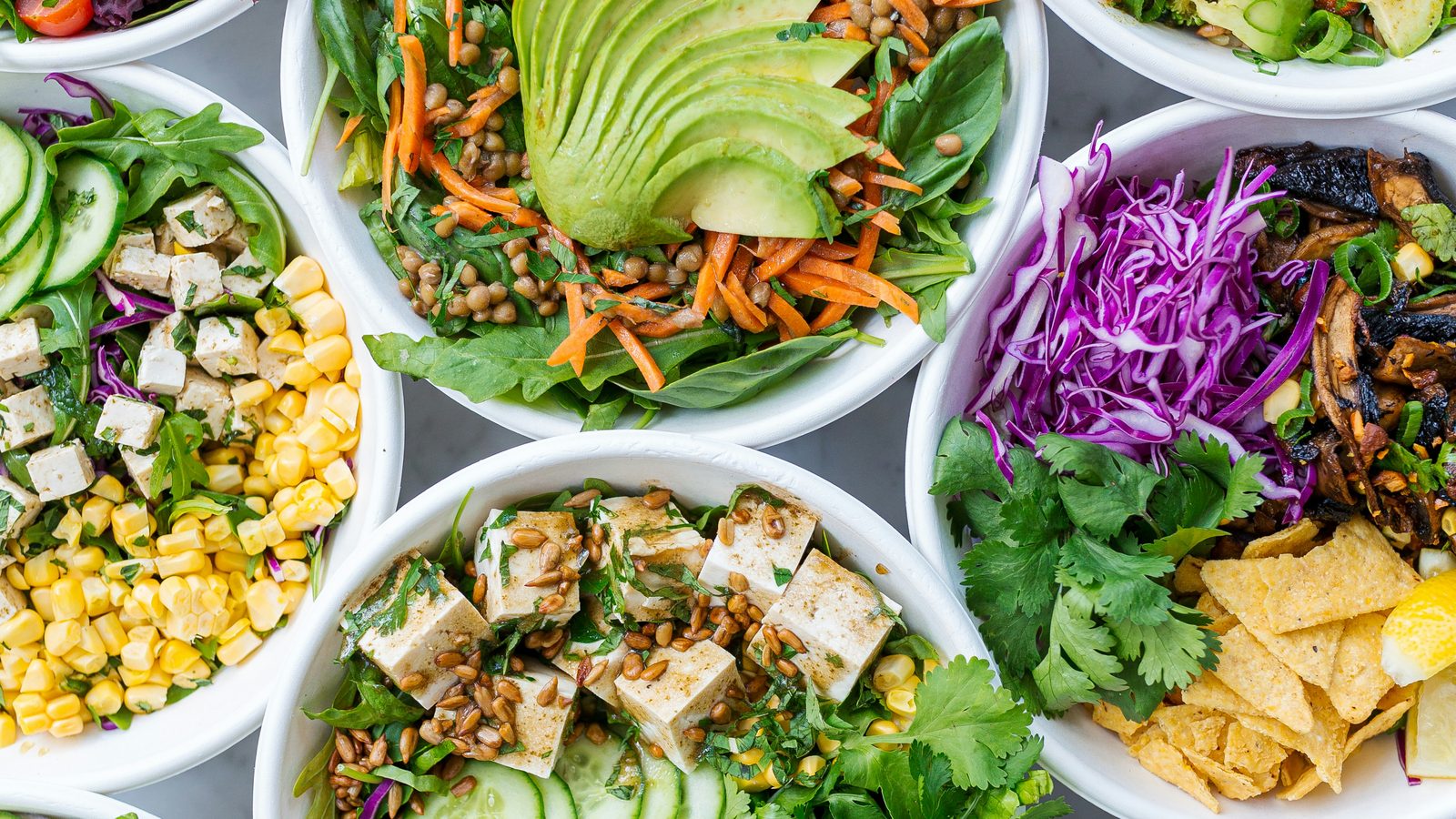
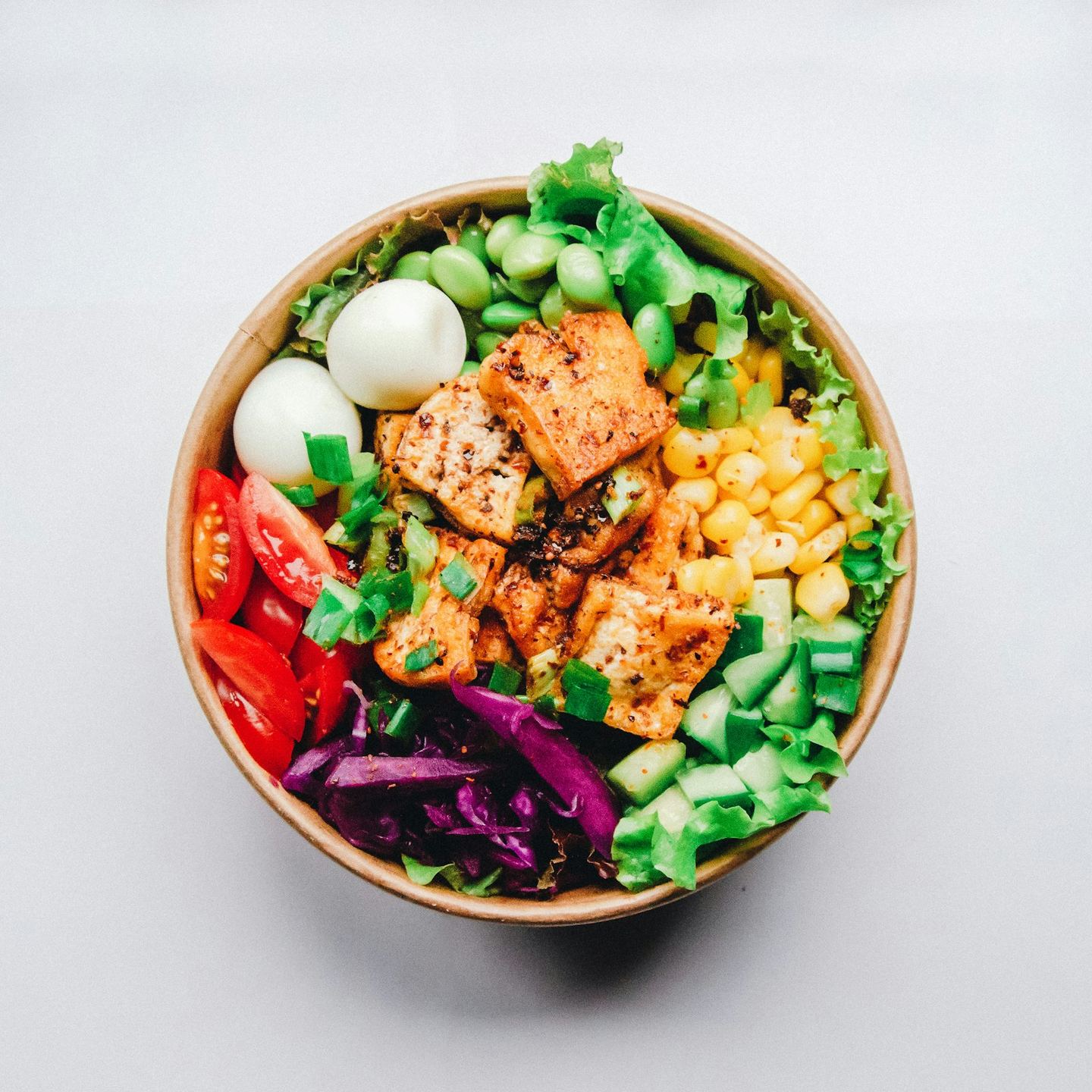
- A source of protein at most meals — eggs, fish, poultry, beans, tofu, dairy, or lean cuts.
- Vegetables in real volume, ideally at lunch and dinner, ideally varied across the week.
- Whole grains and legumes a few times per week — oats, lentils, chickpeas, brown rice, beans.
- Healthy fats from sources like olive oil, nuts, seeds, and fatty fish.
- Fruit as the default sweet thing in the rotation.
- Water as the default drink.
Notice what isn't on the list: no banned foods, no macros to chase, no app required to make it work. Food-first is a defaults question, not a perfectionism question.
Where supplements still belong
A food-first approach doesn't reject supplementation. It just sequences it correctly.
There are well-documented cases where food alone struggles to meet needs reliably — for example, vitamin D in low-sunlight latitudes, B12 for people who avoid animal foods, omega-3 fatty acids for people who don't eat fish, iron in some life stages, or specific recommendations during pregnancy. In these situations, supplementation can be genuinely helpful, ideally guided by lab work and a qualified professional.
The order matters: food sets the baseline, supplements close specific gaps that food can't reliably reach for you, in your context.
What food-first isn't
It isn't expensive — frozen vegetables, canned fish, beans, eggs, and oats are some of the cheapest sources of nutrition available.
It isn't time-consuming — most food-first meals are simple combinations: a grain, a protein, a vegetable, a sauce.
It isn't restrictive — there's room for the foods you genuinely enjoy, including the ones that aren't strictly "healthy." A sustainable way of eating contains some of those by definition.
The bottom line
Food-first nutrition is less of a rule and more of a sequence. Get the food roughly right first. Use supplements where they make sense and skip them where they don't. The simplest version of this approach is usually the one that lasts.
References (3)
- Academy of Nutrition and Dietetics — Micronutrient Supplementation position (2018) — Journal of the Academy of Nutrition and Dietetics
- USDA & HHS — Dietary Guidelines for Americans 2020–2025 — USDA / HHS
- NIH Office of Dietary Supplements — Multivitamin/Mineral Fact Sheet — NIH Office of Dietary Supplements
Wellthrive
Get early access to Wellthrive
Join the waitlist for Wellthrive — a nutrition and wellness app for clearer, more practical health decisions.
Get early access to Wellthrive