Whole vs. processed foods: a practical lens
A general overview of food processing as a spectrum, a four-group framework, and why the ingredient list matters more than front-of-package claims.
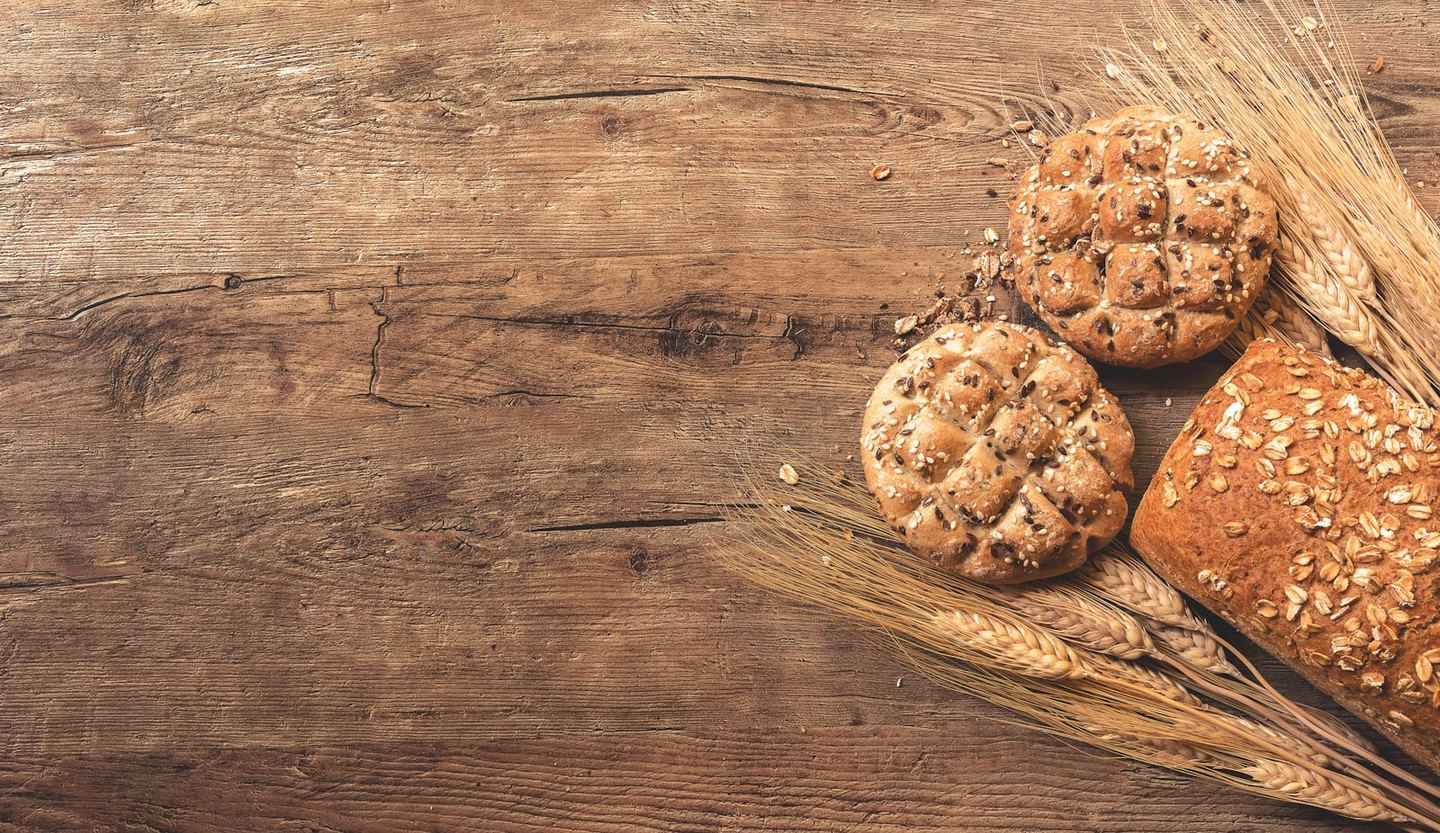
"Processed" is one of the most-used — and most confusing — words in food. Almost everything has been processed in some way, so the more useful question is usually how much. This article is a general overview of one common way to think about food processing, and what the ingredient list can tell you. It isn't a verdict on any product and isn't dietary advice for any individual.
Key points
- Processing is a spectrum, not an on/off label — most foods sit somewhere along it.
- A widely used approach sorts foods into four broad groups by degree of processing.
- A product marketed as "healthy," "high-protein," or "whole-grain" can still be highly processed.
- The ingredient list — not the front-of-package claims — is where the detail is.
A spectrum of processing
One common framework groups foods by how much they've been processed, from minimally changed to heavily reformulated. It's a descriptive lens, not a scoring system.
| Group | What it means | Examples |
|---|---|---|
| Unprocessed / minimally processed | The food, or close to it | Fresh or frozen produce, plain grains, eggs, plain milk |
| Processed culinary ingredients | Items used to cook with | Oils, butter, sugar, salt |
| Processed foods | Group 1 foods with added ingredients | Canned beans, cheeses, fresh bread |
| Ultra-processed | Industrially formulated, many added ingredients | Many packaged snacks, sodas, instant products |
Front-of-package claims vs. the ingredient list
Here's the practical catch: front-of-package wording like "all natural," "high-protein," or "made with whole grains" is marketing language, and a product carrying it can still be ultra-processed. The more reliable place to look is the ingredient list, which is ordered by weight — the first few ingredients make up most of the product. Pairing it with the Nutrition Facts label (including the Added Sugars and Sodium lines) gives a fuller picture than the front of the box.
How to use the lens
This framework is a way to read foods, not a rule that any group is off-limits or required.
References (3)
- Dietary Guidelines for Americans, 2020–2025 — U.S. Departments of Agriculture & Health and Human Services
- The New Nutrition Facts Label — U.S. Food & Drug Administration
- FoodData Central — U.S. Department of Agriculture
Wellthrive
Get early access to Wellthrive
Join the waitlist for Wellthrive — a nutrition and wellness app for clearer, more practical health decisions.
Get early access to Wellthrive