Labs & Biomarkers
What common lab tests and biomarkers measure — general education only.
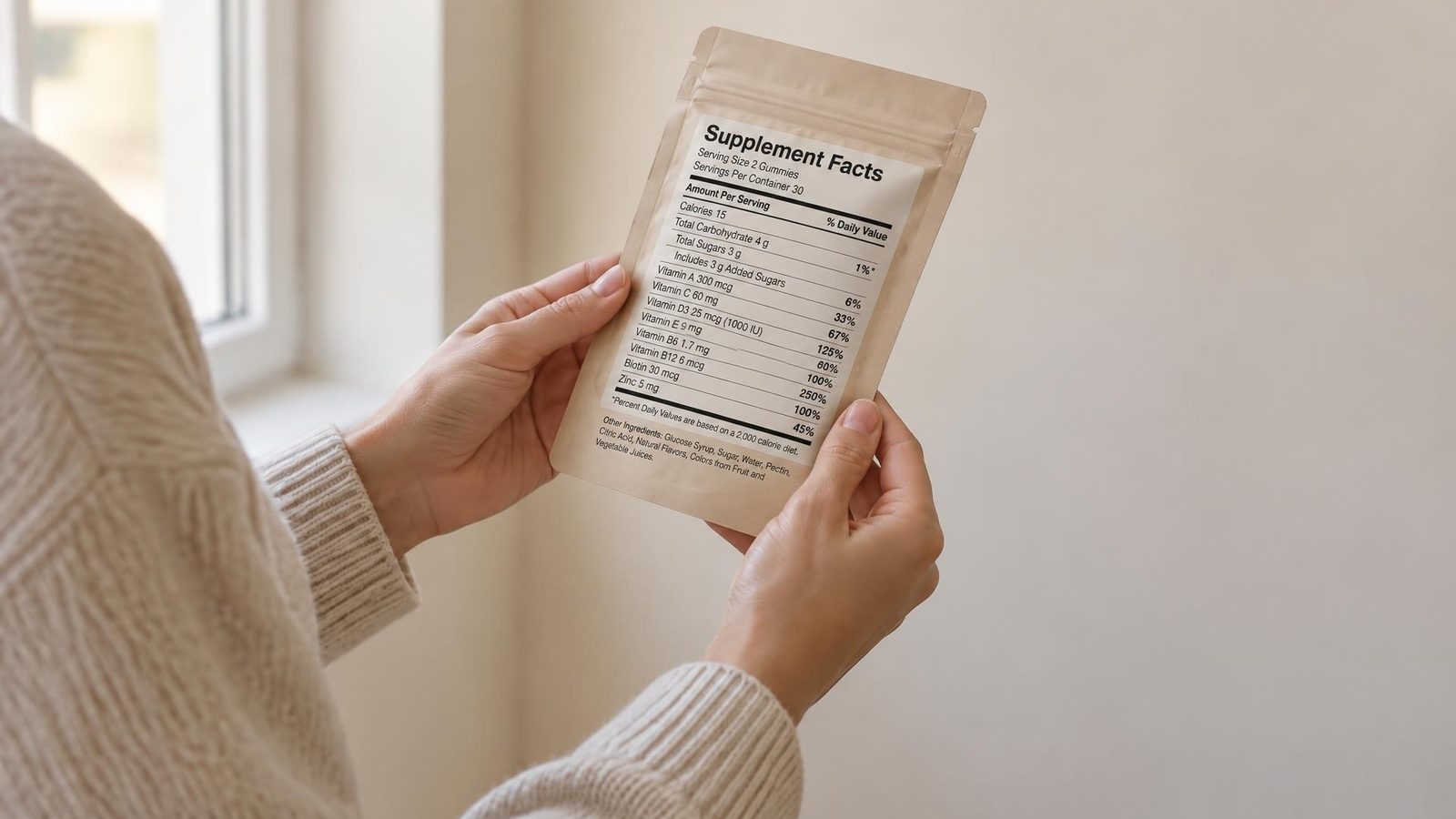
Can supplements change your lab results?
A supplement can change a lab result by changing what the test measures, or by interfering with the test itself. How each works, with vitamin D and biotin.
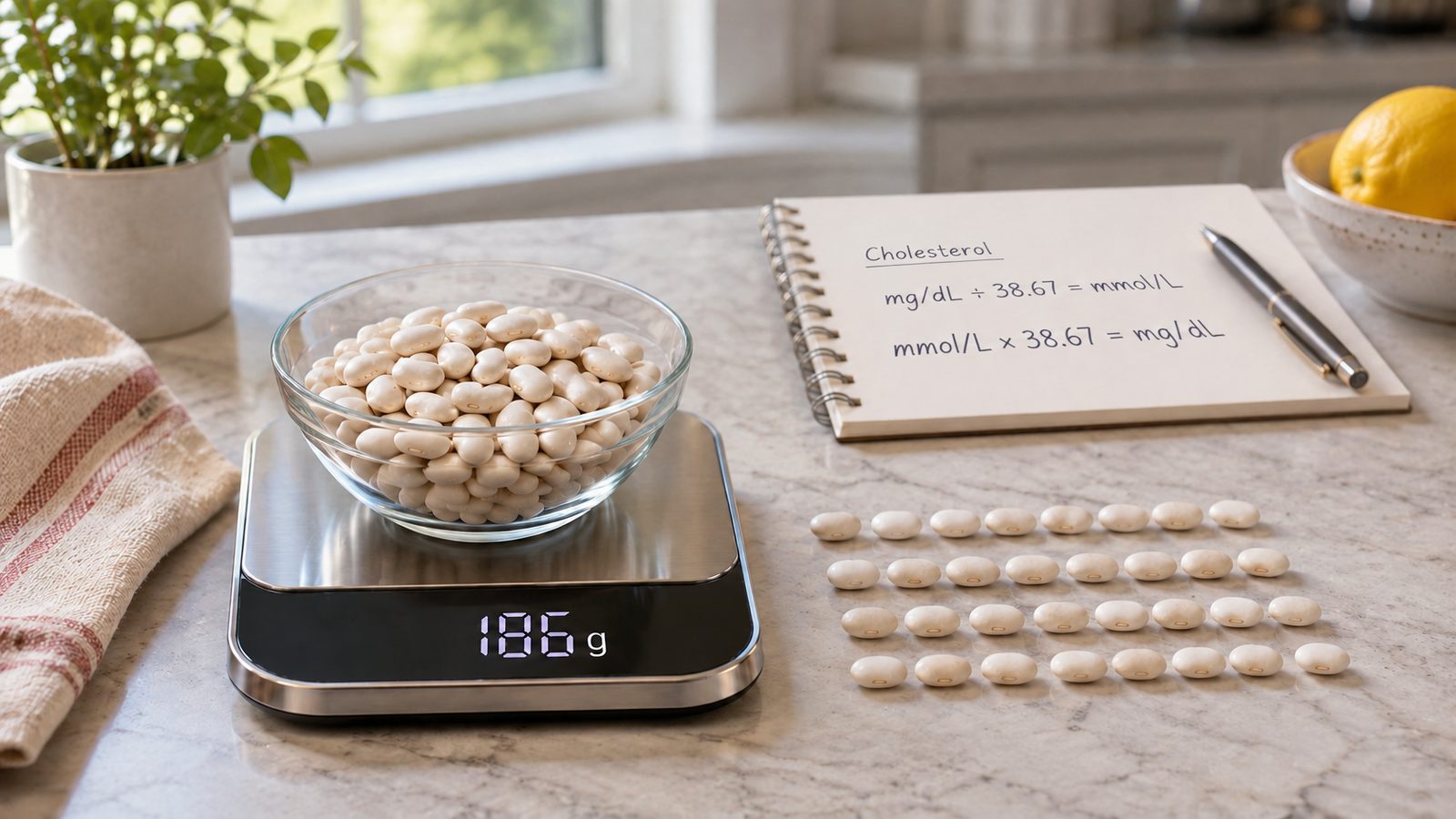
mg/dL or mmol/L? Making sense of lab report units
What mg/dL, mmol/L, ng/mL and nmol/L mean, why lab reports use different units, and how to convert glucose, cholesterol and vitamin D results.

Understanding lab reference ranges
What a lab reference range is, how labs build it from the middle ~95% of healthy results, why ranges vary, and why out-of-range isn't a diagnosis.

Common blood markers, explained
A plain-language guide to common blood markers — what the CBC, metabolic panel, and lipid markers generally measure, with interpretation left to clinicians.

What a ferritin test measures
What a ferritin test measures — iron stored in the body — how it differs from a serum iron test, why its range is wide, and why clinicians read it in context.

What's in a cholesterol panel
What a cholesterol (lipid) panel measures — total cholesterol, LDL, HDL, and triglycerides — in plain language, with interpretation left to clinicians.

HbA1c vs a single glucose reading
How an HbA1c test differs from a single glucose reading — average blood sugar over ~2–3 months vs a moment in time — in plain language.

Understanding vitamin D blood levels
What a vitamin D blood test measures — 25(OH)D — why experts debate the 'optimal' level, and why your result is read in context by a clinician.